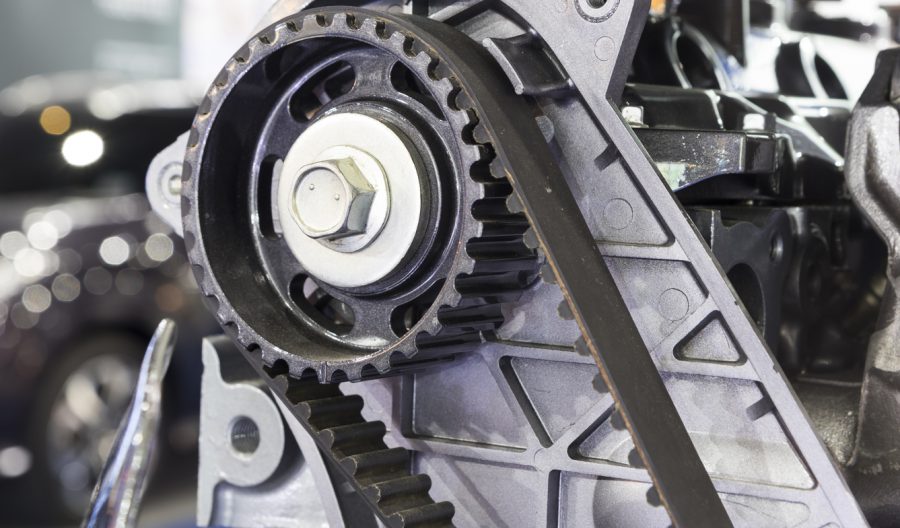
Here’s what your timing belt looks like inside the engine (Picture iStock/Warut1)
The cambelt or timing belt is an integral part of many engines. It also needs replacing on a regular – if thankfully not too frequent – basis. Read on and I’ll explain why the cambelt is so important, how you know if your car has one (not all do) and why replacing them is an absolute must-do.
Coming out of lockdown it’s important to have a trustworthy garage (Picture iStock/FG Trade)
Reliable cars are vital for most of us. And garages plus the quality of service they offer are just as important. The last thing you want is to buy a new car and find that it either lets you down or when you need help, the garage offers shoddy service.
There’s an easy way to discover how dependable cars and their dealers are and that’s by asking the people with real-life experience of owning the cars. This is where surveys come in. We’ve combed reports compiled by Auto Express and What Car? to distil the information you need to know if you’re buying a new car.
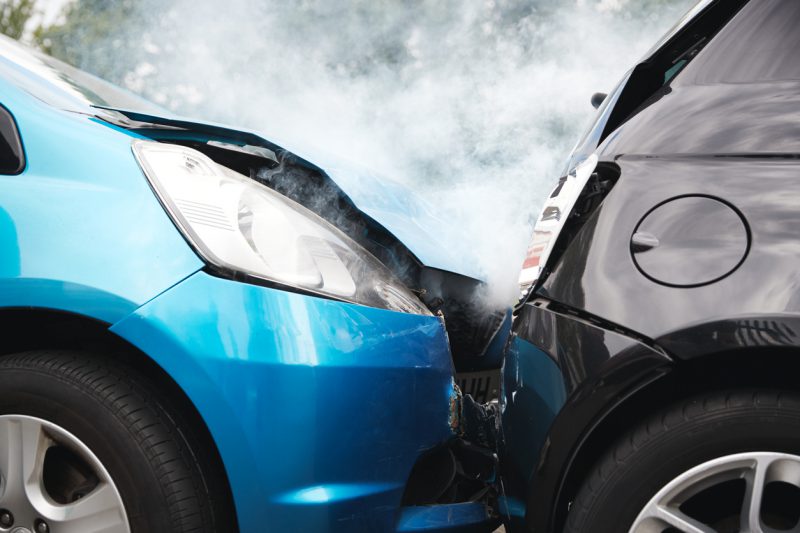
How cars behave in crashes is fundamental to which insurance group they are in (Picture iStock/monkeybusinessimages)
If you’re thinking of changing your car, how much you pay for insurance may be important to you. To help with this, all cars sit in insurance groups. Knowing about a car’s grouping will enable you to do an accurate, back-to-back comparison with other models you might be interested in.
Read on to find out what an insurance group is and how to find out what group a car is in.
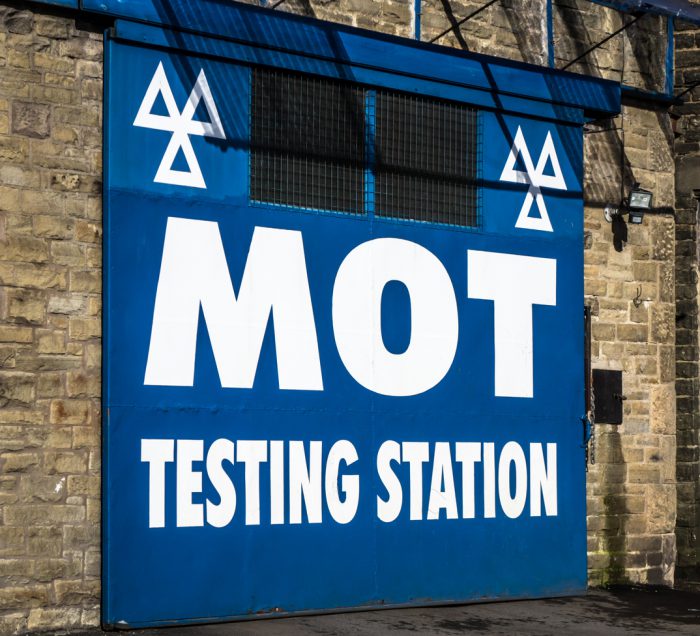
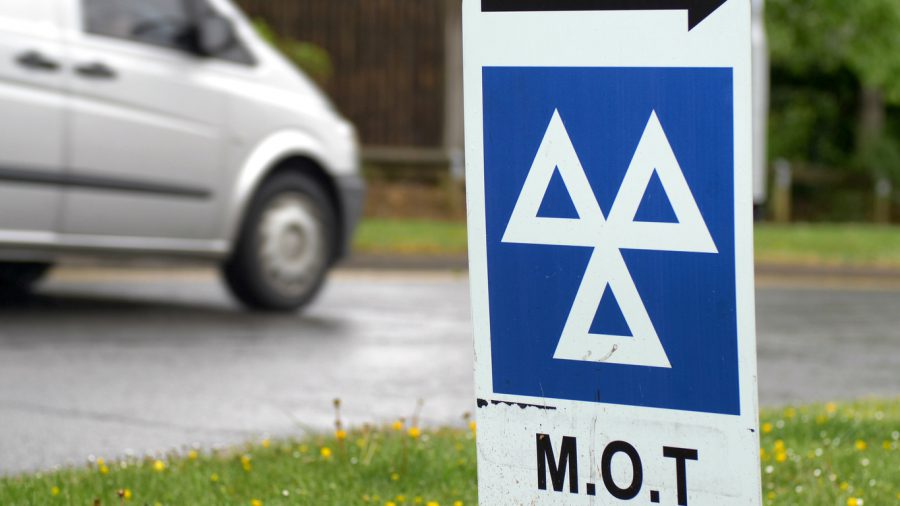
Many MOT testing stations are open for business (Picture iStock/Marbury)
The UK’s six-month MOT extension might end early because of fears about increasing numbers of unroadworthy cars. Car owners are also being warned that if they don’t keep their motors in a fit state to be driven, their insurance may not cover them.
In the latest report by Green Flag and road safety charity Brake, an alarming number of drivers revealed gaps in their knowledge about vehicle maintenance. Around one in 10 drivers (9 per cent) claim they never carry out any vehicle safety checks.
One in four (27 per cent) said they care for their car just once a year. More worryingly, a fifth of drivers (20 per cent) said they’d knowingly driven an unroadworthy car.
We investigate why the MOT extension might end early and how you can ensure your car is roadworthy.
The price of filling up is falling but how far will it go? (Picture iStock/AscentXmedia)
The petrol price is plummeting to below £1 a litre. However, some believe there’s room for it to fall further.
Since the beginning of the year, the price of crude oil – the raw material used to produce petrol and diesel – has more than halved. But although the cost of petrol at the pumps is falling, it hasn’t kept pace with rapid drops in oil prices. Here are two reasons why fuel prices might stay higher than you’d expect.
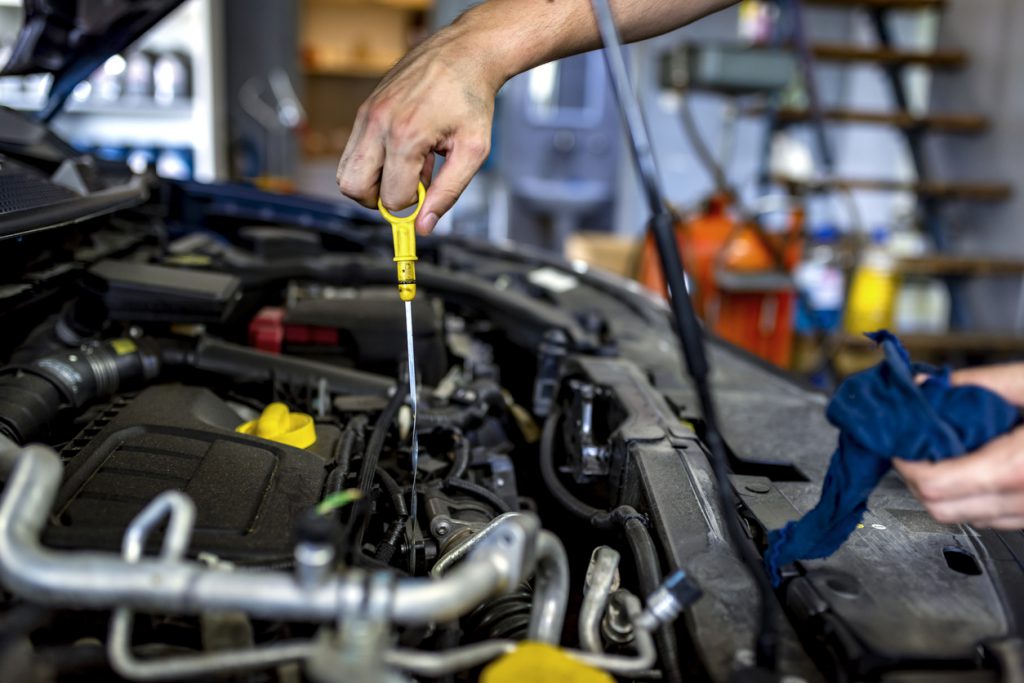
It might look complicated but checking fluids is a simple task that anyone can do (Picture iStock/Ljubaphoto)
During lockdown, there’s every chance you won’t have been using your car as much as usual. Before driving it again regularly, it’s a good idea to check it and its fluids thoroughly.
All cars rely on fluids to operate properly. And it’s simple to check oil, coolant, brake fluid and screenwash. Follow my tips for doing so below.
When you’re checking a car’s fluids, it’s important that you park on a flat surface or you may think you haven’t got enough when you have, or more worryingly, vice versa.
The majority of new cars are bought on finance. Relief is at hand for anyone struggling with repayments (Picture iStock/busra ispir)
Payment holidays for loans are an element of life we’ve had to get used to during the COVID-19 pandemic. Mortgage companies were quick off the mark to help customers struggling to pay for their homes. But what if you can’t meet car finance payments? Read on to find out what to do.
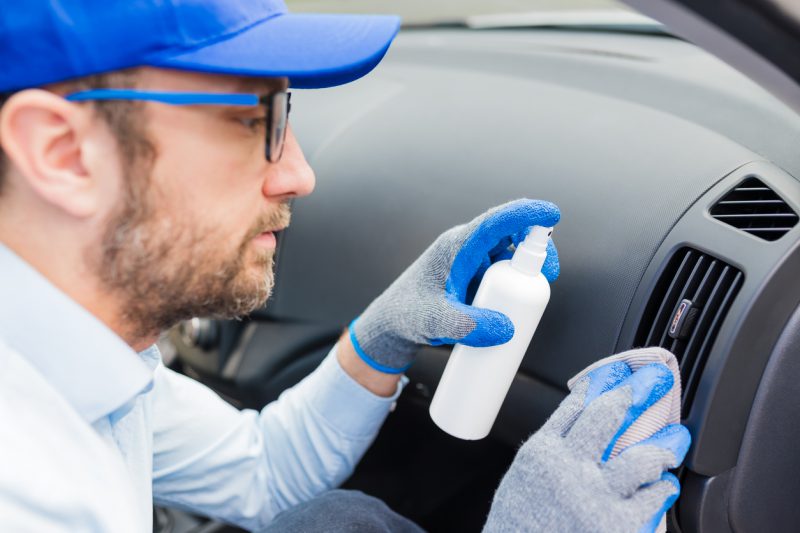
Cleaning parts such as vents using an anti-bacterial and virus cleaner will help stop the spread of the disease (Picture iStock/zoff-photo)
There are 40 parts of your car that you should consider cleaning during the current coronavirus pandemic. Ben Murphy is the man who’s responsible for keeping Toyotas in tip-top shape for the Japanese firm. He’s outlined the 40 areas that he thinks drivers should target to stop COVID-19 spreading.
The virus is spread by tiny droplets sprayed from the mouth when an infected person coughs. And it can survive on hard surfaces. That means if your car goes to the garage for emergency repairs, it might spread the virus, or on return, harbour it. And if you get the virus on your hands while out, you can transfer it to other areas of your car. That could spread it to others.
If your car is equivalent to this during its lockdown lay-up, follow our expert tips to keep it in the best shape (Picture iStock/Istanbulimages)
Updated: 07 April
With lockdown measures easing across the country, you may be using your car for the first time in a while very soon.
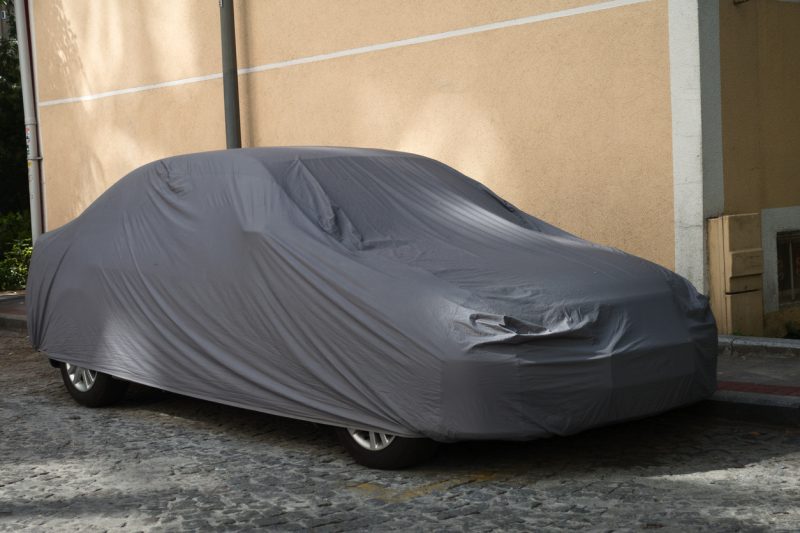
If you’ve not been driving regularly during the COVID-19 lockdown, your car may need some attention before you hit the road. That’s because some car parts rely on regular use to stay in tip-top shape.
Follow these tips and there’s a much greater chance your car will start first time after a lockdown lay-up.
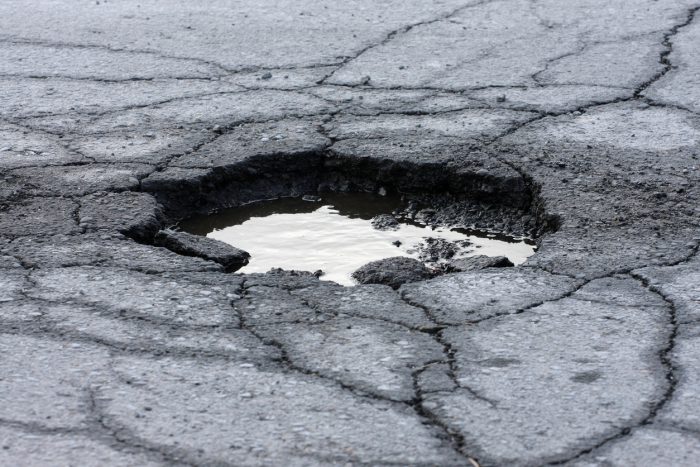
An all-to-familiar sight on England’s roads. Read how to claim for the damage (Picture iStock/kozmoat98)
We may not be driving much at the moment but after the warm wet winter, the pothole problem for drivers is still a motoring headache.
A new report has revealed that road maintenance budgets in England have fallen; there are now fewer roads than last year described as being in ‘good’ structural condition; and the rising backlog of repairs means billions of pounds are still needed to bring local roads in England up to scratch.
The country is having a second COVID-19 lockdown from 5 November to 2 December. What does this mean for car owners? Read on to find out about MOTs, what’s happening with petrol stations, and what other motoring services are and aren’t available.
Unofficial websites can charge many times what the official sites cost for simple admin tasks (Picture iStock/Rowan Jordan)
Drivers who need to renew their driving licence, tax their car or even book driving tests might be paying way more than they have to because they’re using unofficial websites.
The government
is warning drivers that these websites can charge many times the official
cost. Even so, the companies running them are doing nothing wrong.
We can’t guarantee this won’t happen to you but follow our tips and it’ll be a lot less likely (Picture: iStock/Ljubaphoto)
How many trouble-free miles has your car covered? And perhaps more importantly how many more is it good for? Records by the Driver and Vehicle Standards Agency (DVSA) show there are more high mileage Skoda Octavias in the UK than any other vehicle. That’s currently 1950 UK-registered Octavias with a valid MOT that have done more than quarter of a million miles.
But how do you get that many trouble-free miles out of your
car? It certainly doesn’t happen by accident. Here are my tips.
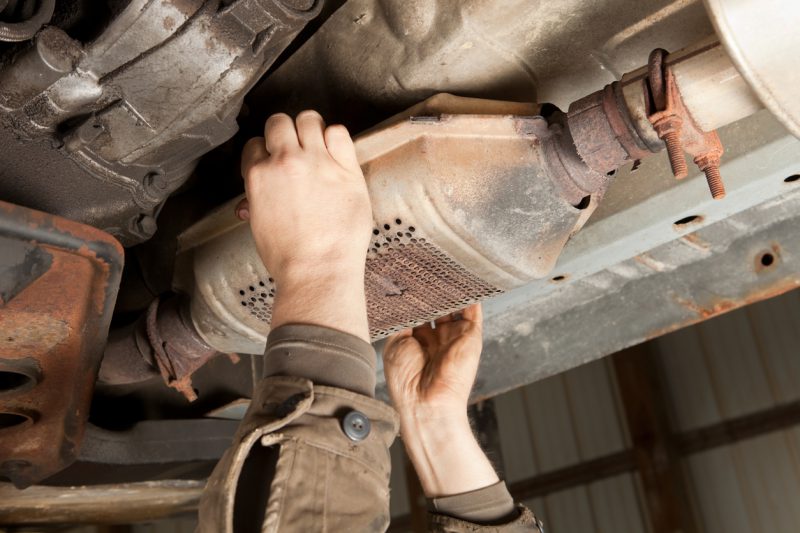
If you know what you’re doing it’s easy to steal CATs from exhausts for their valuable metals (Picture iStock/BanksPhotos)
Drivers shouldn’t just be worried about having their car stolen. They’re actually more likely to have something pinched from their car. And that could include the catalytic converter.
Figures from London’s Metropolitan Police reveal that in the first six months of 2019, thefts of this component, which makes up a part of the exhaust system, were nearly double the same period in 2018. We investigate the problem and give tips on how you can avoid being a victim of car (and CAT) crime.
None of us leaves home in the morning wanting to break down. Sadly, thousands of us will. But how much do you actually know about breaking down? Take our quiz to find out what you know – or otherwise – about conking out at the roadside.
Engines can be remanufactured using a mix of existing and new parts (Picture iStock/Vladru)
Would you use recycled or second-hand parts on your car? Online auction platform eBay thinks more of us ought to in order to save the planet. And used parts will be cheaper and save us money too. But what are the risks? We investigate.
Airbags are designed to soften the impact for car occupants (Picture iStock/Therry)
One high tech feature of all modern cars that I never hope you see is the airbag. These are designed to inflate milliseconds after an impact and work with the seatbelts to prevent you hitting any hard surfaces in the car.
They can go wrong but thankfully it’s not something we see
very often. But it’s still worth knowing a bit about airbags.
The government revamped the MOT test in May 2018 to make it tougher. But its first year in operation has seen a significant decrease in the number of vehicles failing the annual test.
Under the previous rules, around four in 10 cars (about 40 per cent) that took their MOT every year failed it. However, the first year of the new tougher test saw only about one in three cars (33 per cent) declared unroadworthy by testers.
Modern scrap yards don’t look much different to old ones. But they must recycle extensively. (Picture Honda)
Thankfully, we’re becoming more aware of the impact the things we make and use have on the environment. And that includes what we drive. Car recycling is now a vital part of the motoring process. Here’s what it involves and the lengths the industry takes to recycle your car.