breakdown

What to do if your car breaks down in heavy traffic

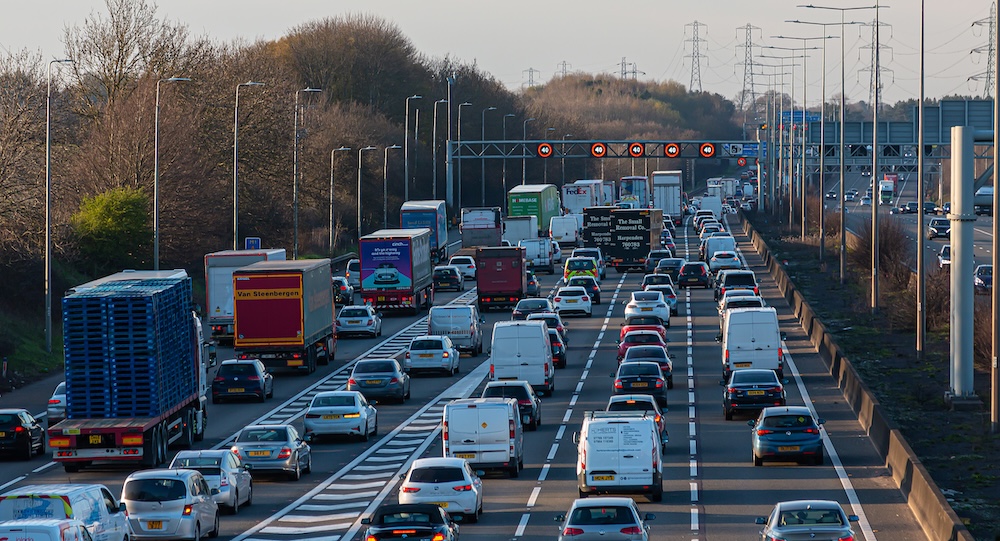
Cars queuing on a busy UK motorway

A car breakdown is stressful at the best of times. When it happens in heavy traffic, it can feel even more daunting because you’re dealing with other vehicles, limited space and potential safety risks.

Knowing what to do if your car breaks down in traffic can help protect you, your passengers and other road users while you arrange assistance.

If your car breaks down in heavy traffic, you should:

  • Switch on your hazard lights immediately
  • Try to move your vehicle as far left as is safe
  • Stop in the safest available location
  • Assess your surroundings before deciding whether to stay in or leave the vehicle
  • Contact your breakdown provider from a safe location
  • Call 999 if you or anyone else is in immediate danger

Are cars more likely to break down in heavy traffic?

While motorway driving can certainly put a strain on your car, it’s stop-start driving in heavy traffic that can cause the most damage.

Stop-start driving means your engine, cooling system, clutch and brakes are working constantly. At the same time, slower speeds reduce airflow through the radiator, making it harder for the engine to stay cool.

That’s why engine overheating is one of the most common causes of a breakdown in traffic. Problems such as a faulty cooling fan, radiator issue or damaged hose can become more noticeable when crawling through congestion.

What to do if you break down in traffic: step-by-step guide

1. Alert other drivers

As soon as you realise there’s a problem, switch on your hazard warning lights.

These help alert other road users that your vehicle is moving unusually slowly or has stopped unexpectedly. If visibility is poor because of rain, fog or darkness, keep your side lights on too.

2. Move to a safer position if possible

If your vehicle can still move, signal and carefully make your way towards the left-hand side of the road.

On a motorway, this may mean reaching the hard shoulder if one is available. On other roads, aim for the left-hand side or another safe location away from moving traffic.

Don’t make sudden manoeuvres or force your way across lanes. If traffic is stationary, wait for a safe opportunity to move.

3. Stop safely and secure the vehicle

Once you’ve stopped:

  • Apply the handbrake
  • Switch off the engine if appropriate
  • Keep your hazard lights on
  • Put the vehicle in gear or park, depending on the transmission

Take a moment to assess your surroundings before deciding what to do next.

4. Think carefully before leaving the vehicle

Whether you should stay in the vehicle or leave it depends on where you’ve broken down.

If you’re on a motorway hard shoulder and can safely get beyond a safety barrier, that may be the safest option.

However, if you’ve come to a stop in a live traffic lane or somewhere you cannot leave the vehicle safely, it may be safer to remain inside with your seatbelt fastened until help arrives or emergency services attend.

Always prioritise getting yourself and your passengers away from danger, but don’t put yourself at risk by stepping into moving traffic.

5. Stay aware of other hazards

Traffic jams can create additional risks.

Drivers and passengers sometimes leave their vehicles during long delays, while motorcyclists may filter between lanes. Stay alert to people moving around nearby and avoid unnecessary movement close to traffic.

6. Contact your breakdown provider

Once you’re safe, contact your breakdown provider and explain:

  • Your location
  • The nature of the problem
  • Whether you’re in a particularly hazardous position

If there is an immediate risk to life or a serious danger on the road, call 999.

How to reduce the risk of a breakdown in traffic

While you can’t prevent every breakdown, regular maintenance can reduce the chances of being caught out in congestion.

Before your journey

Check engine oil and coolant levels

Low fluid levels can increase the risk of overheating, particularly during long periods of slow-moving traffic.

Keep your vehicle serviced

Regular servicing can identify worn or failing parts before they develop into more serious problems.

While driving in traffic

Drive smoothly

Leave a reasonable gap to the vehicle in front where conditions allow. This can help reduce constant braking, clutch use and acceleration.

Watch your temperature gauge

If your engine temperature starts rising, turn off unnecessary accessories such as air conditioning. In some situations, using the heater can even help draw heat away from the engine.

Be sensible when stopped

If your car is going to be sat still for a while, do what the manufacturer recommends for your car.

Be prepared for the unexpected

Breaking down in heavy traffic can be unsettling, but staying calm and putting safety first can make a difficult situation easier to manage. The important thing is to remain calm, avoid distractions, and keep your own and your passengers’ safety as a top priority.

By maintaining your car, recognising warning signs early and having reliable breakdown cover in place, you’ll be better prepared if the unexpected happens.

For more breakdown advice, driving tips and vehicle maintenance guides, explore the Green Flag blog.
When do you need towing vs on-the-spot repair?

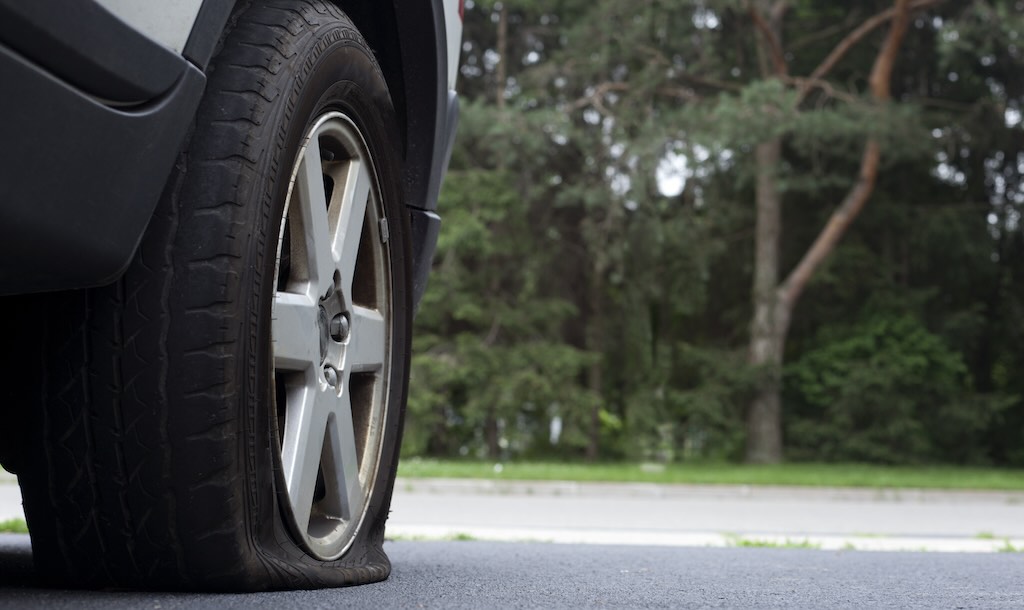
A car with a flat tyre is seen at the roadside.
A flat tyre is often something a roadside technician can replace on site.

If your car breaks down unexpectedly, the support you receive will usually fall into one of two categories: roadside repair or recovery.

In many cases, a breakdown technician can get you moving again without the need to tow your car. Sometimes, though, a fault needs specialist equipment or repairs that can only be carried out at a garage, meaning your car will need to be relocated.

In this guide, we explain when a problem can likely be fixed at the roadside, when recovery may be needed, and how the decision is made.

Continue reading

Top causes of engine failure and how to avoid them

Modern car engines are built to last, but they still rely on many complex systems working together properly. When something goes wrong with the oil, cooling, or timing, the engine can stop running or get damaged.

But don’t worry, many of the top causes of engine failure can be prevented with regular maintenance and simple checks that you can do at home.

Below are some of the main reasons why a car engine might fail, and what you can do to reduce the risk of it happening to you.

Continue reading

How to keep passengers calm and safe during breakdowns

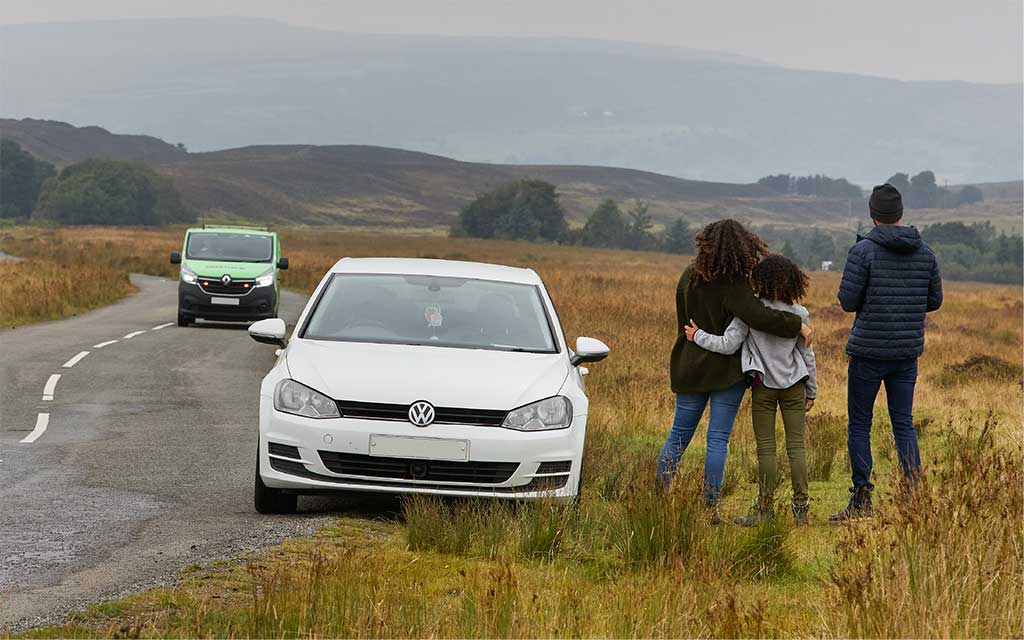
A family waits by their car for roadside recovery.
No one wants to deal with a breakdown, but there are ways to stay on top of the situation.

Breakdowns happen. Whether it’s a flat tyre, an overheated engine, or an unexpected mechanical fault, being stranded on the side of the road can be a stressful experience. And this is not just true for the driver, but for every passenger in the vehicle. Preparation, clear communication, and staying calm can all help to keep the situation under control.

This guide explains practical steps drivers and passengers can take to stay safe and composed while waiting for help. The goal is to help everyone remain as comfortable and informed as possible during a breakdown.

Continue reading

Expert advice: what to do if your electric car battery goes flat

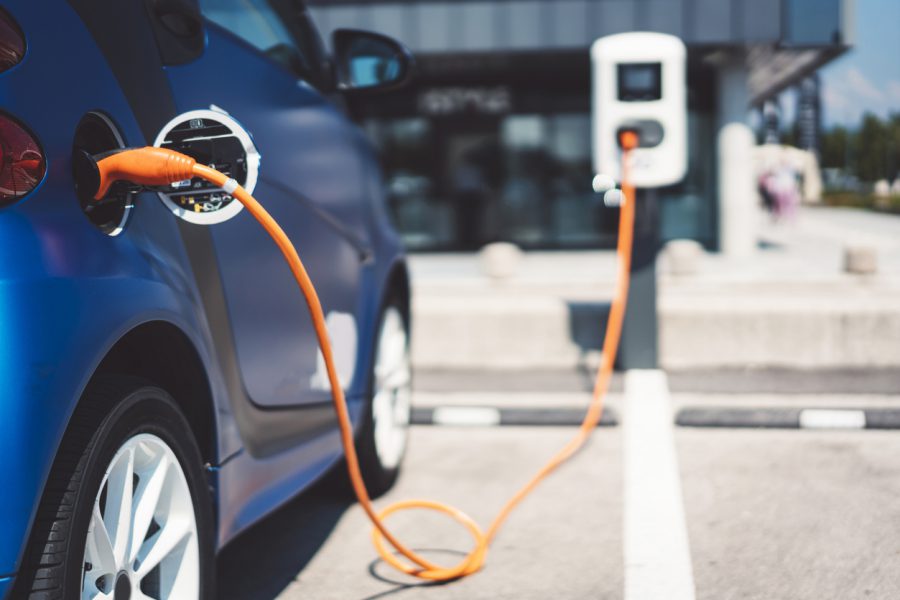
electric car battery
It’s worth charging an electric car before the battery goes completely flat (Picture iStock/Ziga Plahutar)

They call it range anxiety when you’re worried that your electric car won’t have sufficient charge in its battery to complete your journey. But what happens if you do then run out of charge? And is there any way you can stop it happening?

Reasons not to run out of charge

Continue reading

Expert advice: what happens if your car goes into limp home mode?

limp home mode
Limp home mode will enable you to get somewhere safe before stopping, ideally not at the side of the road (Picture iStock/DuxX)

If your car appears to lose power, you might have heard a technician refer to it going into ‘limp home mode’. This is a feature of all modern cars and I think it’s important for drivers to understand what it is.

What is limp home mode?

Continue reading

Expert advice: how you know if your clutch is about to fail

clutch failure
The clutch looks simple but it’s a fundamental part of a car (Picture iStock/irman)

Clutch failure can leave you well and truly stranded The clutch is one of those parts of the car that many of us take for granted. That third pedal sitting to the left of the accelerator and brake is fundamental to how a manual transmission works.

That’s where a bit of self-diagnosis can pay dividends. If you know your clutch is on its way out, you can book your car into a garage before it leaves you high and dry. And you can shop around to get the best deal possible.

The good news is clutches frequently don’t just fail. There will be some tell-tale symptoms. Here’s what you should look out for.

What’s a slipping clutch?

Continue reading

Brexit: what you need to know about driving in the EU if there’s ‘no deal’

Updated 17 December 2020.

While Brexit talks are still going on, and certain things aren’t set in stone just yet, there are a lot of potential changes you should prepare for.

Whether you’re taking a car abroad or planning to drive a hire car once you get to a foreign country it’s likely you’ll have to apply for some paperwork. Read on to find out what you’ll need – if we leave the European Union/European Economic Area (EEA) without a deal.

Green cards: insurance when you’re driving in the EU

Continue reading

Why Stop-Start doesn’t work in cold weather

Stop-start

Is your car’s stop-start system on the blink at the moment? If it isn’t working as you think it should, there might be a very good reason for it. Stop-start is designed to save you fuel and cut a car’s exhaust emissions by reducing the amount of time your engine sits idling without going anywhere. And it’s on nine out of every 10 new cars sold. But if it stops stopping, is it a problem? And should you take your car to the garage?

It might be due to the cold weather

Continue reading

Expert advice: winter car faults and simple fixes to resolve them

winter car faults

When the weather turns cold you really don’t want this to be you (Picture iStock/Sestovic)

Here in the UK, we might have had an exceptionally warm summer followed by so far, a mild autumn. But winter car faults are just around the corner, waiting to plague our motors and interfere with our best-laid plans.

Every year at Green Flag we see an increase in call outs as the weather gets colder. And it’s always the usual suspects. But if you act now, you can ensure you and your car are prepared for winter’s worst. Here are four popular faults and solutions for them.

Winter car faults 1: Non-start, fuel flooded

Continue reading

Drivers dread garage visits as they fear being ripped off

Garage

The perfect garage? But many drivers don’t like the jargon some garages use

Getting a car serviced is one of the fundamentals to ensuring you don’t break down. However, visiting the garage is viewed with the same dread many people experience when a visit to the dentist is on the cards. A new survey has revealed that car owners fear dealing with garage mechanics more than any other trade.

Why do we hate dealing with garages?

Continue reading

Blue Monday: Tips to ensure at least your motoring will be happy

Blue Monday

Blue Monday could be bad enough without breaking down. Follow our tips for trouble free motoring

We’ve had black ice, now it’s Blue Monday, officially the most depressing day of the year. And of any day, this is probably the one that you don’t want made worse by car trouble. So here are 10 dos and don’ts to ensure you – and your car ‑ enjoy trouble free motoring.

DO:

Be kind to your battery

Turning an engine over is a tiring business for a battery. Cold weather thickens the engine oil and makes cranking the engine even harder, requiring more battery charge. To help your battery on its way, turn everything such as the lights, wipers and sound system off while you start the car. Dip the clutch too. It makes it easier for the battery to turn the engine, your battery will last longer, and it’s less likely to leave you stranded.

Continue reading