Top safety tips when you stop at the roadside

A blue car is stationary with its warning lights on. A warning triangle has been placed down the road from the car to alert oncoming traffic.
Knowing what to do when you breakdown will help keep you safe.

If your car stops at the side of the road, the most important thing is knowing what to do next. Breakdowns aren’t something anyone plans for, but there are clear, practical steps you can take to protect yourself and your passengers.

Staying calm and focusing on those steps can help you feel more in control. From positioning your vehicle safely to contacting the right help, small actions can make a big difference.

This guide walks you through what to do; so if it does happen, you’ll feel better prepared to deal with it safely and confidently.

Continue reading

How to handle a motorway breakdown safely

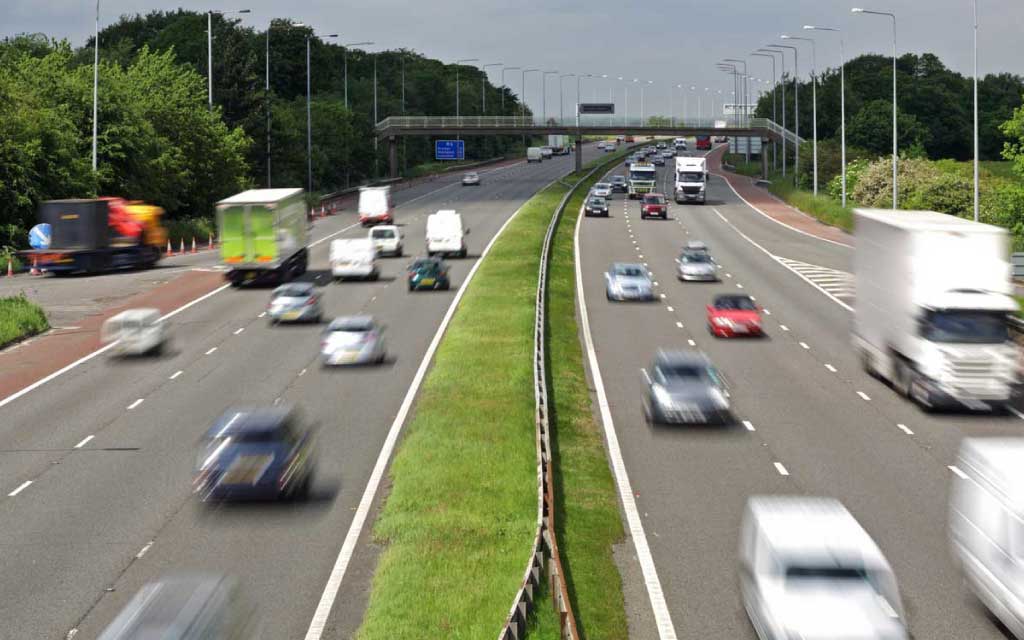
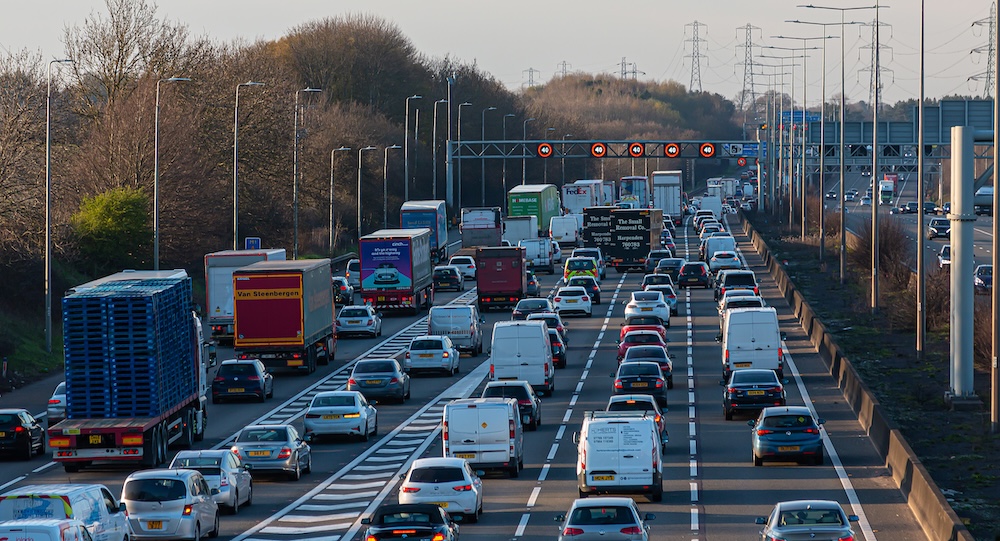
A motorway is jammed with cars, stretching out into the distance.
Safety is your number one concern when breaking down on a motorway.

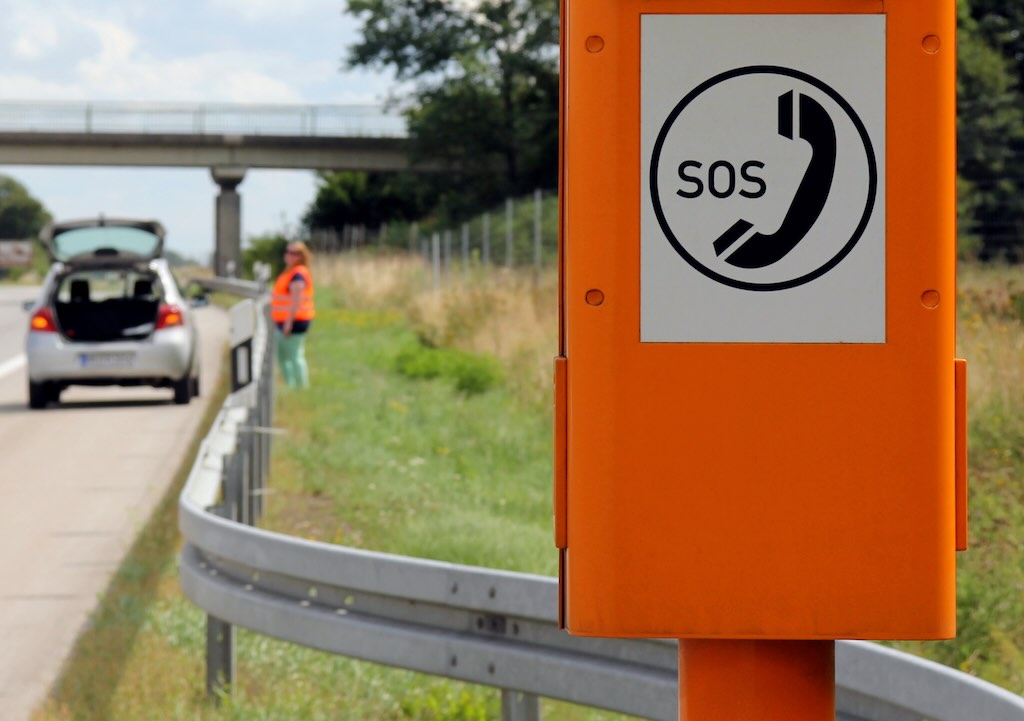
Breaking down on a motorway can feel far more intimidating than stopping on a local road. Not only does traffic move faster on a motorway, but it does so over multiple lanes. Knowing exactly what to do in this situation will help keep you safe.

Motorways are designed for high-speed travel, which means safety decisions must be quick, calm and deliberate. The Highway Code provides clear guidance for dealing with breakdowns on these roads, and following it carefully is essential.

Let’s look at some of the key recommendations.

Continue reading

How to keep passengers calm and safe during breakdowns

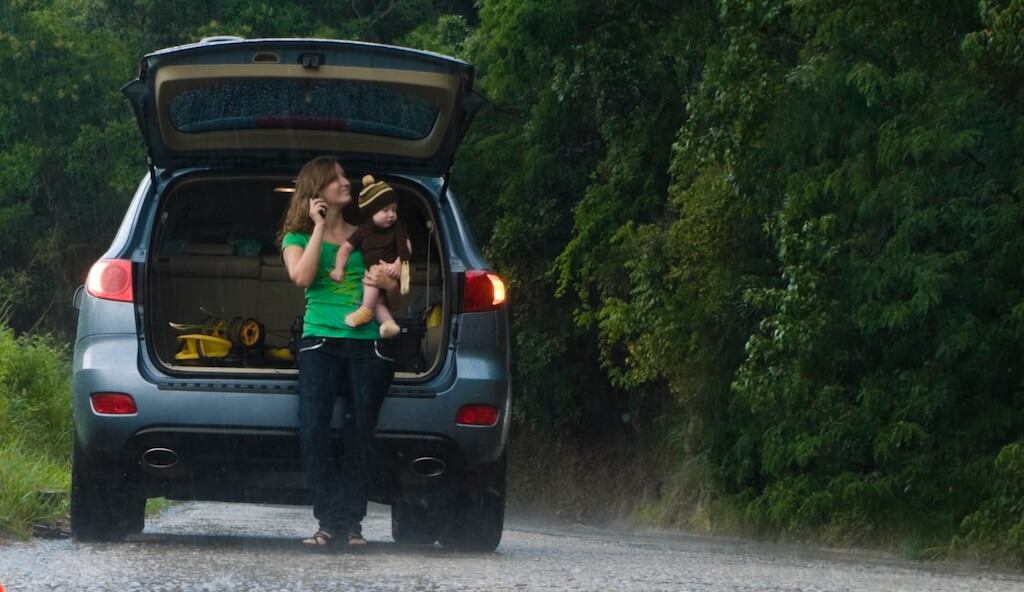
A family waits by their car for roadside recovery.
No one wants to deal with a breakdown, but there are ways to stay on top of the situation.

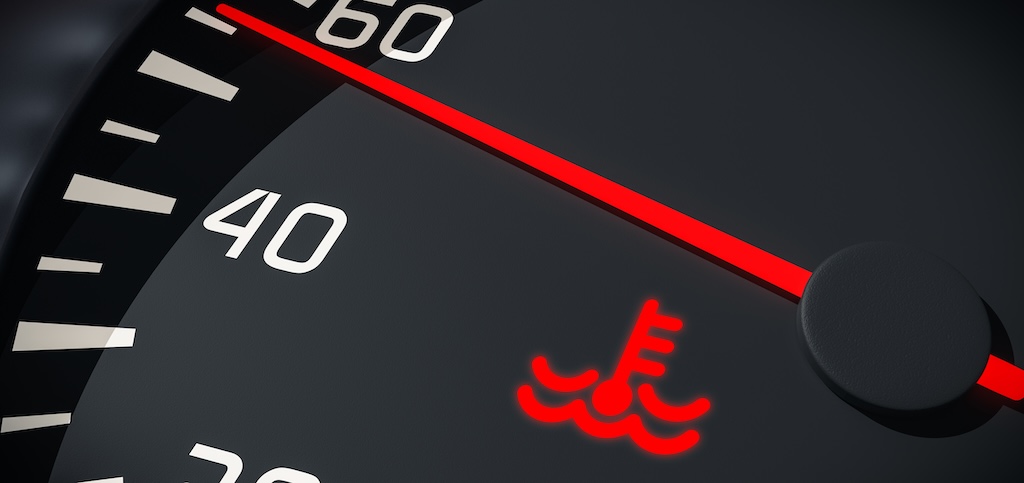
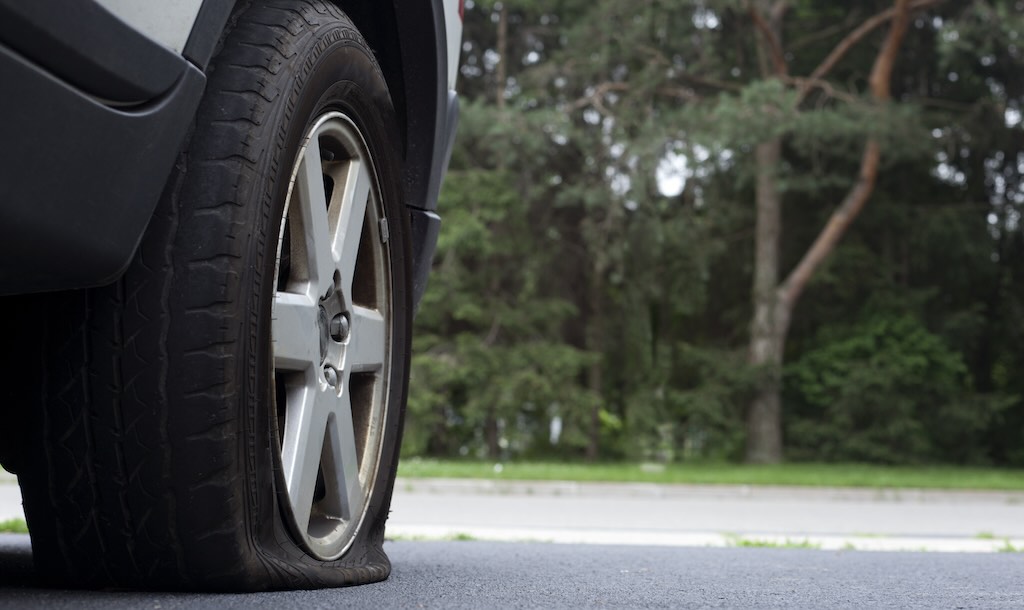
Breakdowns happen. Whether it’s a flat tyre, an overheated engine, or an unexpected mechanical fault, being stranded on the side of the road can be a stressful experience. And this is not just true for the driver, but for every passenger in the vehicle. Preparation, clear communication, and staying calm can all help to keep the situation under control.

This guide explains practical steps drivers and passengers can take to stay safe and composed while waiting for help. The goal is to help everyone remain as comfortable and informed as possible during a breakdown.

Continue reading

How to check your car’s engine oil: a step-by-step guide

A Green Flag technician checks the engine oil using a dipstick.
Checking your car’s oil is a simple task which helps maintain peak protection and performance of its engine.

Checking your car’s oil level is a simple yet key task which will help to keep your car running at its best. We’ve got you covered with everything you need to know about checking your car oil.

We explain what oil does, why it’s important, how to see if your car’s running low on it, how to top it up, and much more. All this, plus our step-by step guide and expert video. Very slick!

Continue reading

The 7 reasons why you should give your car a wash this spring

Spring car wash

Spring has sprung, the birds are singing, and the sun is finally putting in an appearance. But the chances are your car is still feeling (and showing) the effects of winter.  

With warm weather (hopefully) just around the corner, now’s the time to give your car a good spring clean. There are plenty of good reasons to – here are seven of the best.

Continue reading

How to check car engine coolant: the complete UK guide

A Green Flag technician points to the coolant reservoir under the hood of a car.
Car coolant is a mixture of antifreeze and water which helps to stop your car’s engine from overheating.

Checking your car’s coolant level is an important task to help keep your car healthy and on the road.

Our frequently asked questions, step-by step guide and expert video have everything you need to know about car coolant, how to check the level, and how to safely top it up.

Continue reading

What towing & recovery actually covers

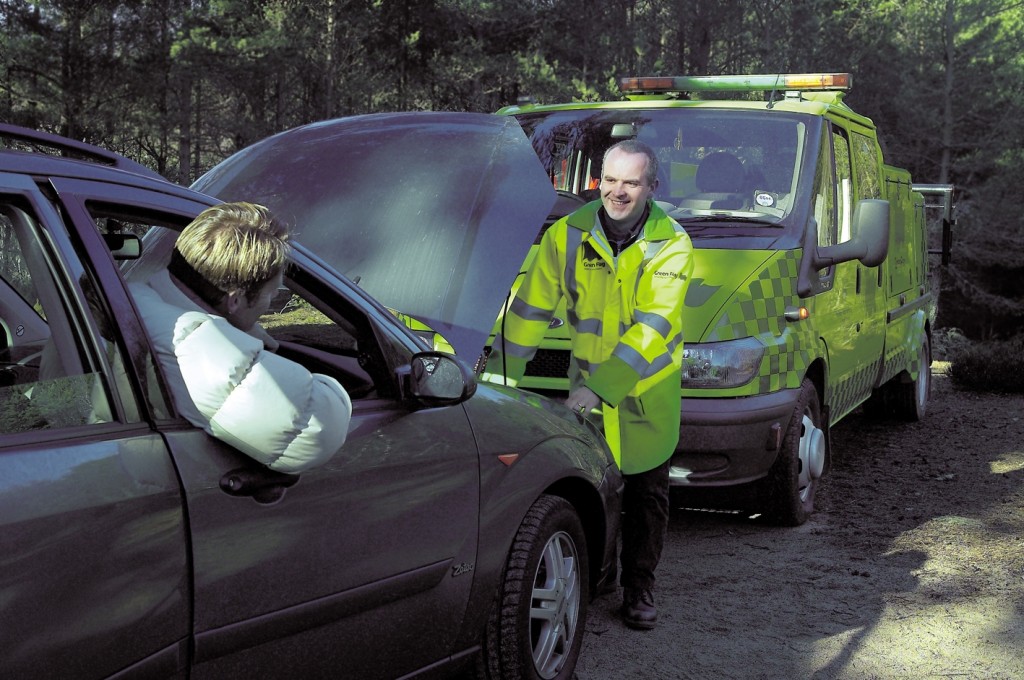
A black car is moved onto the back of a tow truck.
There’s more to a breakdown service than you might think.

Breaking down is stressful enough without also having to wonder: Will I have to pay for recovery? What happens if I’ve had an accident? Does my breakdown cover include towing?

Many drivers assume towing is automatically included in every breakdown policy. But the truth is, the level of support you get depends on what’s covered in your specific roadside assistance plan.

This guide explains what towing and vehicle recovery services usually include, what they don’t, and who pays for towing after an accident.

Continue reading

Why do car batteries die in winter?

A roadside technician checks a failing car battery.
The cold winter weather doesn’t play nicely with your car’s battery.

There’s nothing worse than heading out on a freezing winter morning, turning the key… and being met with silence.

A flat car battery is one of the most common causes of breakdowns during cold weather – and it can happen anytime, without much warning. Even if your battery seemed perfectly fine in recent months, winter conditions can quickly expose hidden weaknesses.

So, why do car batteries die in winter? And what can you do to prevent being stranded with a car that won’t start? Let’s look at why cold weather can prove so challenging.

Continue reading

How to change your windscreen wipers

Windscreen wiper blades play a vital role in giving drivers a better, clearer view of the road.

Being able to change your car’s windscreen wiper blades is a vital car maintenance skill. The process varies from car to car but there are similarities between all of them which we’ve covered below with a step-by step guide and a handy video showing how our experts do it.

Continue reading

Expert advice: what cold weather does to your car

cold weather
Winter affects many parts of your car (Picture iStock/Hutchyb)

Winter is here and with the cold weather comes a whole lot of challenges, and not just for us drivers. Cars too will be suffering in the lower temperatures. Here are the different ways icy conditions affect your car and some handy suggestions for ways to reduce their impact.

Low temperatures thicken the oil

Continue reading

Winter driving: a bit of preparation goes a long way

When it comes to winter driving, you should always expect the unexpected.

The British weather is unpredictable at the best of times, and you never quite know what’s around the corner.

That’s why it’s good to be prepared. Before you hit the road, pack a winter survival kit, just in case you get stranded in bad conditions.

It might sound like an extreme measure, but you’ll be glad it’s there if the worst happens.

So, what should you pack?

Continue reading

Five reasons why cars break down (and how to avoid them)

It may be the most wonderful time of the year, but unfortunately, winter’s the peak time for car breakdowns.

Many cars suffer similar issues, which means we know what to expect and can help you do something about it.

Here we look at the top reasons why cars break down and some tips you can follow to keep yours on the road.   

Continue reading

Do you know how to change a tyre?

Drivers across the UK run into some kind of tyre trouble every 90 seconds – that’s around 40 flat tyres, blowouts, or punctures every hour.

Around 360,000 people were faced with a flat tyre last year, but do you know what to do if it happens to you? According to research by Green Flag, around 40% of drivers said they would have a go at fixing a flat tyre themselves.

If you’re someone who likes rolling their sleeves up but wouldn’t know where to start, we’re here with a guide on how to change a tyre.

Continue reading

Don’t think twice, de-ice!

It’s a familiar scene across the country on cold winter days. You leave the house, it’s freezing outside, and you just want to jump in your car and get going, but the windows are covered in ice.

What do you do? Clear a little peephole and get going, or brave the cold and fully clear your windscreen?

Well, 45% of people admit to driving without full visibility in icy conditions, according to research by Green Flag. But, not only could that be dangerous, it could get you in trouble.

Continue reading

Keep your car battery ticking over

When winter hits, breakdowns get more frequent, and it pays to be prepared. Especially with your battery.

November to January is peak season for breakdowns, and batteries are one of the biggest culprits. Green Flag’s callouts for flat batteries increase 60% in the winter, especially on those dreaded Monday mornings (when cars that have been parked up over the weekend can’t face the commute either).

Getting off to a false start at the beginning of the week is no fun at all, but luckily, we’re here with some tips to keep your battery feeling positive.

Continue reading

Stay safe if you’re driving in a storm

Over the past few years the UK has seen a sharp increase in the number of storms we’ve had to deal with. Even though the names they have these days aren’t that scary, a storm shouldn’t be taken lightly – it can cause serious damage, injury, and even death.

Last winter, Storm Eowyn was the UK’s most powerful windstorm for more than a decade, with gusts of 135mph, while Storm Bert hit us with the wettest day since October 2020. Not ideal driving conditions.

With another storm season on the way, here are our top tips for staying safe on the roads.

Continue reading

Getting through your MOT

When your MOT comes around you hope that your car passes the test without it costing too much of your hard-earned cash.

You never know if it’s going to sail through with no problems or if there are a load of defects that need patching up before you can get back on the road.

However, there are some things you can do to give your car a better chance of passing its MOT the first time. And thankfully, you’ll find them all right here…

Continue reading

Don’t miss your MOT

Have you ever been happily driving along when you suddenly get that sinking feeling and realise your MOT has expired?

You won’t be the first person that’s ever happened to, and you certainly won’t be the last.

According to research by Green Flag, almost a quarter of MOTs were carried out late in 2023. That’s 7.6 million vehicle owners risking a fine by driving without a valid MOT.

Continue reading