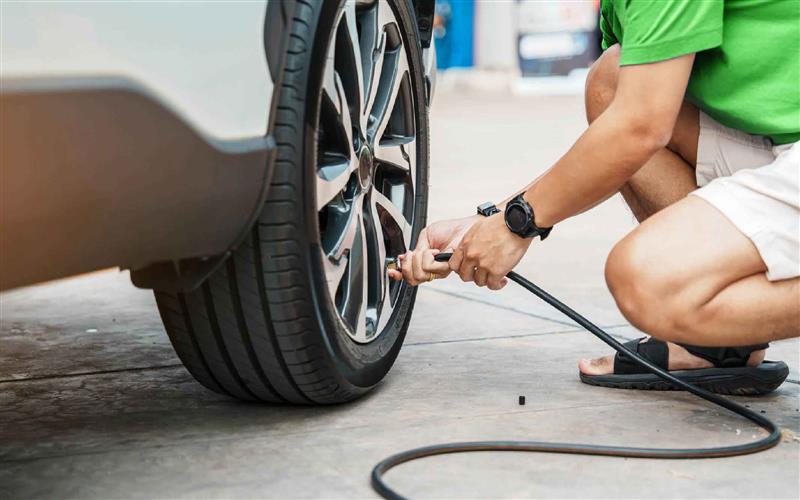
Checking your car’s tyre pressure is an essential task to help to keep your car running safely. Why is the right tyre pressure so important? What’s the pressure gauge, and how do you pump up your tyres?
We’ve got it all covered in our step-by-step guide and expert video to keep the pressure in your tyres and not on you!
Breakdowns are inconvenient and can sometimes be costly, but many common causes can be spotted early. With a bit of basic car maintenance, you can often prevent small issues from becoming bigger problems later on.
Read on for tips to on how to help keep your car running smoothly and reduce the chances of a breakdown.
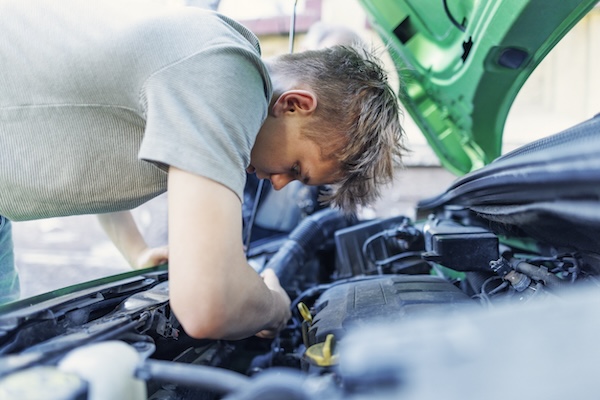
Modern car engines are built to last, but they still rely on many complex systems working together properly. When something goes wrong with the oil, cooling, or timing, the engine can stop running or get damaged.
But don’t worry, many of the top causes of engine failure can be prevented with regular maintenance and simple checks that you can do at home.
Below are some of the main reasons why a car engine might fail, and what you can do to reduce the risk of it happening to you.
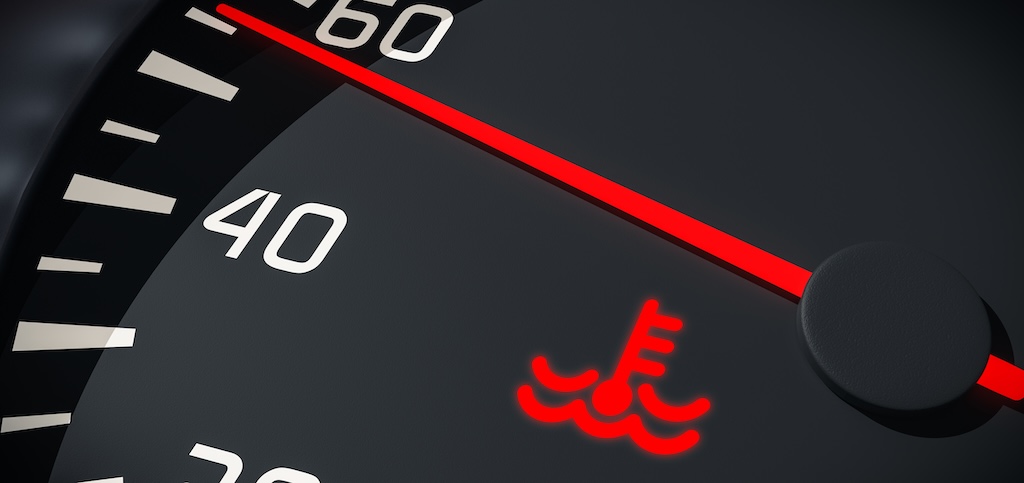
Don’t ignore the signs that your car is overheating.
Your car’s engine naturally generates a lot of heat while it runs, which is why it relies on a cooling system to keep temperatures under control. Most of the time this system works quietly in the background without you even needing to think about it.
However, on longer drives, during hot weather or in slow-moving traffic, you may notice your engine temperature starting to climb. If this happens, knowing how to respond can help you deal with the situation safely, and reduce the risk of potential damage.
With this guide you’ll learn how to recognise the signs of an overheating engine, what steps to take if it happens while you’re driving, and when it may be best to seek help.
European breakdown cover could be the right choice for you.
Driving your own car in Europe can make travelling feel easier and more flexible than using public transport or relying on a hire vehicle. You can pack what you need, follow your own route, and explore new places in the comfort of a car you’re familiar with.
What might not be so familiar is how you’d manage a breakdown while abroad. This is where European breakdown cover comes in, giving you the help you need should your car suffer a problem.
This guide explains what European breakdown cover includes, and how to decide whether it’s the right option for your trip.
Knowing what to do when you breakdown will help keep you safe.
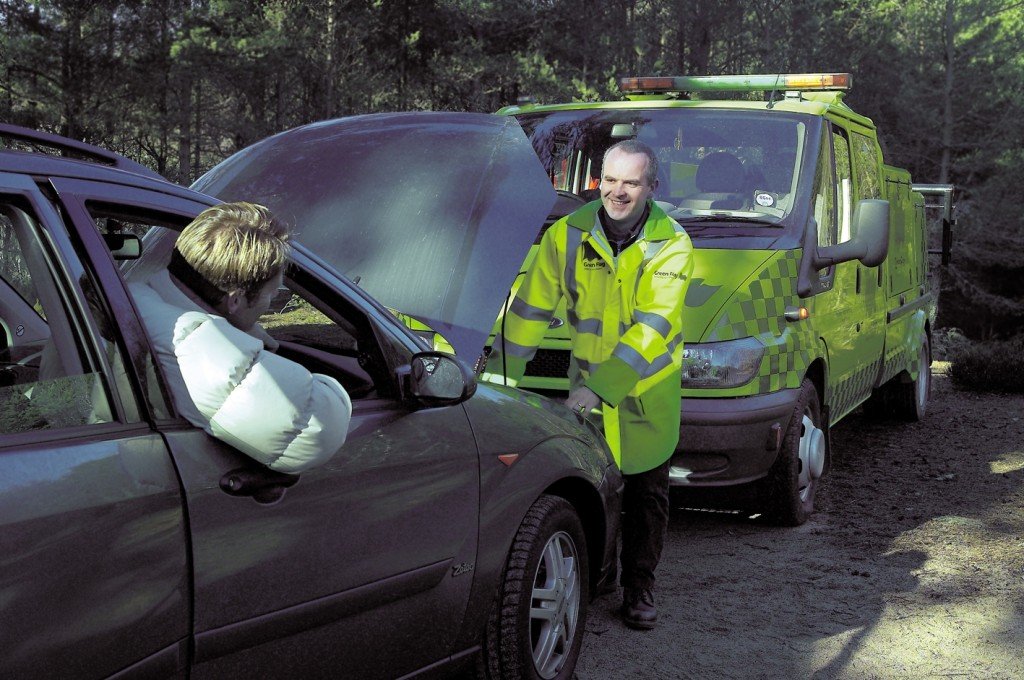
If your car stops at the side of the road, the most important thing is knowing what to do next. Breakdowns aren’t something anyone plans for, but there are clear, practical steps you can take to protect yourself and your passengers.
Staying calm and focusing on those steps can help you feel more in control. From positioning your vehicle safely to contacting the right help, small actions can make a big difference.
This guide walks you through what to do; so if it does happen, you’ll feel better prepared to deal with it safely and confidently.
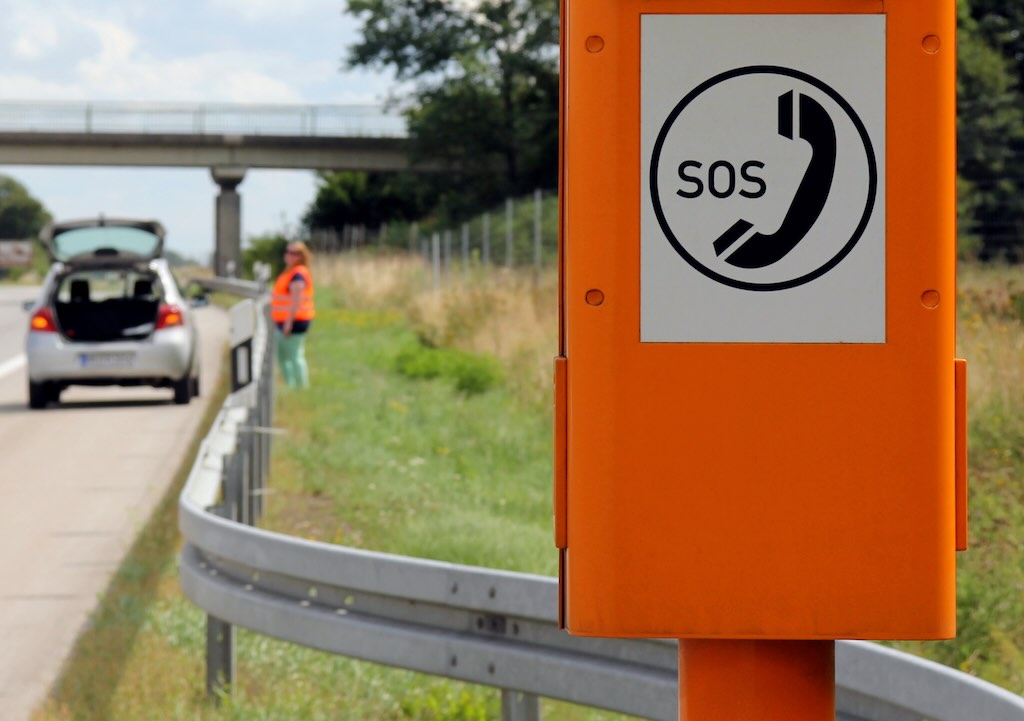
Safety is your number one concern when breaking down on a motorway.
Breaking down on a motorway can feel far more intimidating than stopping on a local road. Not only does traffic move faster on a motorway, but it does so over multiple lanes. Knowing exactly what to do in this situation will help keep you safe.
Motorways are designed for high-speed travel, which means safety decisions must be quick, calm and deliberate. The Highway Code provides clear guidance for dealing with breakdowns on these roads, and following it carefully is essential.
No one wants to deal with a breakdown, but there are ways to stay on top of the situation.
Breakdowns happen. Whether it’s a flat tyre, an overheated engine, or an unexpected mechanical fault, being stranded on the side of the road can be a stressful experience. And this is not just true for the driver, but for every passenger in the vehicle. Preparation, clear communication, and staying calm can all help to keep the situation under control.
This guide explains practical steps drivers and passengers can take to stay safe and composed while waiting for help. The goal is to help everyone remain as comfortable and informed as possible during a breakdown.
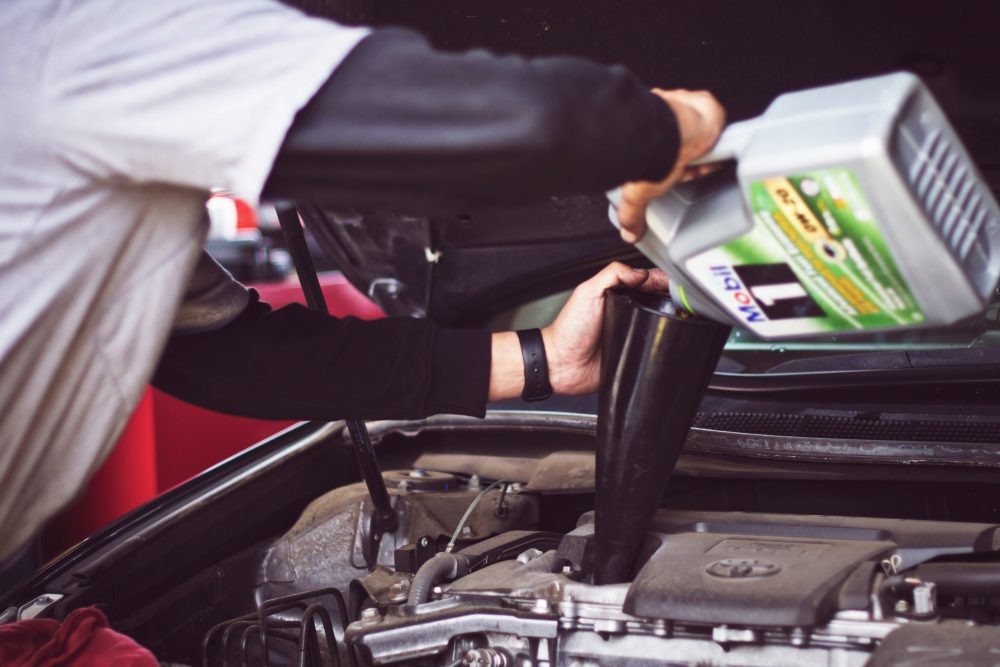
Checking your car’s oil is a simple task which helps maintain peak protection and performance of its engine.
Checking your car’s oil level is a simple yet key task which will help to keep your car running at its best. We’ve got you covered with everything you need to know about checking your car oil.
We explain what oil does, why it’s important, how to see if your car’s running low on it, how to top it up, and much more. All this, plus our step-by step guide and expert video. Very slick!
Why is an MOT so important? How do you book an MOT and what will be checked? Do you need a valid MOT to use your breakdown cover? We’re here to answer all these questions (and more).
Spring has sprung, the birds are singing, and the sun is finally putting in an appearance. But the chances are your car is still feeling (and showing) the effects of winter.
With warm weather (hopefully) just around the corner, now’s the time to give your car a good spring clean. There are plenty of good reasons to – here are seven of the best.
Car coolant is a mixture of antifreeze and water which helps to stop your car’s engine from overheating.
Checking your car’s coolant level is an important task to help keep your car healthy and on the road.
Our frequently asked questions, step-by step guide and expert video have everything you need to know about car coolant, how to check the level, and how to safely top it up.
There’s more to a breakdown service than you might think.
Breaking down is stressful enough without also having to wonder: Will I have to pay for recovery? What happens if I’ve had an accident? Does my breakdown cover include towing?
Many drivers assume towing is automatically included in every breakdown policy. But the truth is, the level of support you get depends on what’s covered in your specific roadside assistance plan.
This guide explains what towing and vehicle recovery services usually include, what they don’t, and who pays for towing after an accident.
The cold winter weather doesn’t play nicely with your car’s battery.
There’s nothing worse than heading out on a freezing winter morning, turning the key… and being met with silence.
A flat car battery is one of the most common causes of breakdowns during cold weather – and it can happen anytime, without much warning. Even if your battery seemed perfectly fine in recent months, winter conditions can quickly expose hidden weaknesses.
So, why do car batteries die in winter? And what can you do to prevent being stranded with a car that won’t start? Let’s look at why cold weather can prove so challenging.
Windscreen wiper blades play a vital role in giving drivers a better, clearer view of the road.
Being able to change your car’s windscreen wiper blades is a vital car maintenance skill. The process varies from car to car but there are similarities between all of them which we’ve covered below with a step-by step guide and a handy video showing how our experts do it.
Winter affects many parts of your car (Picture iStock/Hutchyb)
Winter is here and with the cold weather comes a whole lot of challenges, and not just for us drivers. Cars too will be suffering in the lower temperatures. Here are the different ways icy conditions affect your car and some handy suggestions for ways to reduce their impact.
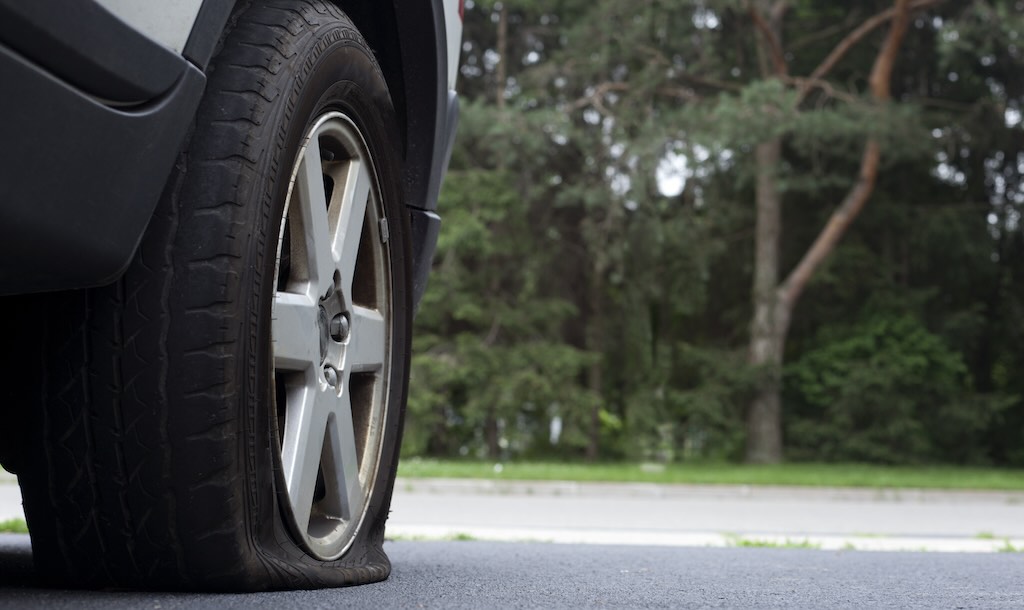
Drivers across the UK run into some kind of tyre trouble every 90 seconds – that’s around 40 flat tyres, blowouts, or punctures every hour.
Around 360,000 people were faced with a flat tyre last year, but do you know what to do if it happens to you? According to research by Green Flag, around 40% of drivers said they would have a go at fixing a flat tyre themselves.
If you’re someone who likes rolling their sleeves up but wouldn’t know where to start, we’re here with a guide on how to change a tyre.