Breakdowns are inconvenient and can sometimes be costly, but many common causes can be spotted early. With a bit of basic car maintenance, you can often prevent small issues from becoming bigger problems later on.
Read on for tips to on how to help keep your car running smoothly and reduce the chances of a breakdown.
Car maintenance checklist
- Check your tyres for correct pressure, legal tread depth, and any visible damage
- Make sure your fuel is topped up before longer journeys
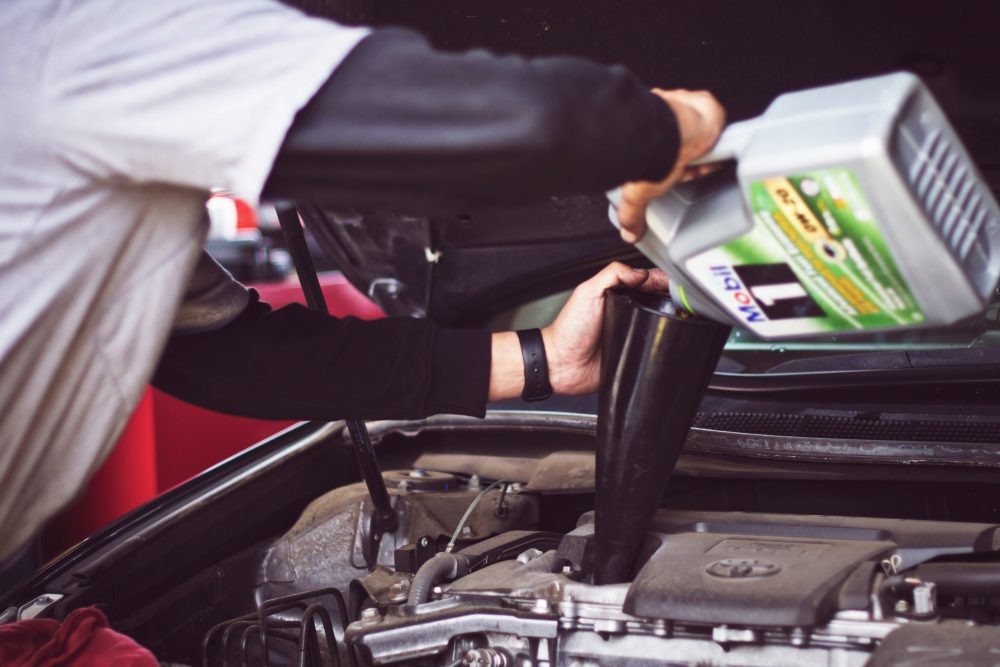
- Check your engine oil level and top it up if it falls below the recommended range
- Make sure your coolant level sits between the minimum and maximum markers
- Test your brakes to make sure they stop the vehicle smoothly and safely
- Check your battery health often and watch for warning signs like slow starts or dim lights
- Regularly inspect rubber components such as hoses and belts for cracks, wear or leaks
- Test your lights and indicators regularly to ensure they’re working properly
- Pay attention to dashboard warning lights and investigate any alerts quickly
Make sure your fuel levels are topped up before setting off
Running out of fuel is one of the most frustrating, but avoidable, reasons for a vehicle breakdown. Charging or filling up earlier can give you more flexibility if traffic causes delays, or if diversions extend your journey.
Keeping your tank reasonably full can also be useful if you’re travelling in unfamiliar areas, or you don’t know where the next fuel station is. Checking the fuel gauge before you leave is a simple habit that can help you avoid unnecessary inconvenience on the road.
Check your engine oil
Your engine works hard, and its components need regular lubrication to protect them from wear and tear. If your engine oil levels drop too low, the increase in friction could damage your engine.
Using the dipstick under your bonnet, regularly check that your oil level is between the minimum and maximum markers. If it’s lower than minimum, top it up with the correct type of oil, recommended in your vehicle handbook, to help keep the engine running smoothly.
Over time, engine oil can become contaminated with debris and particles. That’s why it’s important to get your car serviced and maintain long-term engine health with regular engine oil changes.
Regularly inspect your tyres
Tyre trouble is one of the leading causes of breakdowns. Checking them regularly, especially before a long journey, can save you a lot of time and money in the long run.
- Firstly, check your tyre tread. The legal tread depth in the UK is 1.6mm, and if you drop below that, you can get a hefty fine. Most tyres have tread wear indicators. These small bars will be inside the tread and around 5mm long – if your tyre has worn to this point, get a tyre change booked in.
- While checking the tread, make sure each tyre has no punctures, rips, bulges, or tears; if you find any irregularities, make sure you get that tyre changed.
- Lastly, regularly check your tyre pressure. You can do this from home with a kit, or by heading to a petrol station. Having the correct tyre pressure can prevent blowouts, lengthen the life of your tyres, and even help boost your mileage by reducing friction. That’s a win-win-win scenario.
Check your coolant level to help prevent overheating
Coolant is key for regulating your engine temperature. It also contains antifreeze properties that help protect the engine during colder weather and prevent corrosion inside the cooling system.
Without enough circulating coolant, the engine can overheat and suffer damage.
If your engine is cool enough (i.e., not after you’ve just driven), check the coolant fluid in the reservoir under the bonnet sits between the minimum and maximum markings.
Test your brakes are working properly
Brakes are vital, so it’s well worth checking that they’re in good working order.
To do this, find a safe area and bring yourself to a stop from 10, 20, and 30mph; if the pedal doesn’t feel smooth or you struggle to stop, get your brakes checked at a local garage.
As well as doing this simple test yourself, ask to get your brakes checked at any service you have between MOTs.
Make sure your battery and electrical systems are doing what they should
Like tyres, battery problems are a common cause of breakdowns, so it’s worth spending time on this one.
For most cars, a battery-shaped light will show on your dashboard when you switch your car on. This light should disappear quickly, as it’s just letting you know that your car system is checking your battery. If the light comes on while you’re driving, there’s likely an issue, and you should get it checked as soon as you can.
Similarly, if the engine struggles to start, headlights appear dim, or electrical features behave inconsistently, the battery may be losing charge.
Most 12‑volt car batteries last around five to seven years. Regularly driving your car for around 20 minutes helps keep the battery charged and can reduce issues linked to long periods of inactivity, such as uneven acid levels in lead‑acid batteries. If you’re heading away for a while without your car, make sure you give it a decent run-out before you go and as soon as possible when you’re back.
Note: This guidance applies to petrol and diesel cars, which use a 12‑volt lead‑acid battery to power systems such as starting, lights and electronics.
Electric vehicles (EVs) are different. While EVs also have a small 12‑volt battery for auxiliary systems, they use a high‑voltage traction battery to power the vehicle itself. Traction batteries are managed by sophisticated battery management systems and are not maintained by regular driving in the same way as a conventional 12‑volt battery.
If you drive an electric vehicle, always follow the manufacturer’s guidance on battery care and charging.
Check rubber components like hoses and belts
Many important parts under the bonnet are made from rubber, including hoses and belts that help power engine components and circulate fluids.
Over time, these parts can deteriorate due to heat, age, or general wear and tear. Taking time to look for cracks, fraying, or leaks around hoses can help identify issues early, before they develop into larger mechanical faults. Even a quick visual inspection while checking fluid levels can help spot potential problems.
Test your lights and indicators regularly
Working lights are essential for both safety and visibility. While they won’t directly cause a breakdown, if you do stop at the side of the road, functioning lights are important for safety.
A quick check around the car before driving can help confirm everything is working correctly. If a bulb fails, replacing it promptly means your vehicle remains safe and roadworthy.
Pay attention to dashboard warning lights
Modern motor vehicles use dashboard warning lights to alert drivers when something isn’t operating as expected. So, if a warning light appears, it’s important to check the vehicle handbook or arrange for the issue to be inspected. Ignoring warning signals can allow small problems to develop into larger faults that may eventually cause a vehicle breakdown.
What is the most important maintenance for a car?
Batteries, alternators, tyres, and electrical problems are the most common causes of breakdowns. These are shortly followed by locking keys inside the car and misfuelling. As such, paying particular attention to your battery health, under-bonnet area, and tyre condition is essential to avoid breakdowns.
Keep your car running smoothly
Routine car maintenance doesn’t need to be complicated or time-consuming, but it can make all the difference.
Spending a few minutes checking fluid levels, tyres, and basic vehicle systems every few weeks can help keep your car in good condition. By building these checks into your regular driving routine, you can often spot potential problems early and reduce the likelihood of an unexpected vehicle breakdown.
Find more vehicle maintenance tips and advice on the Green Flag blog.