Checking your car’s tyre pressure is an essential task to help to keep your car running safely. Why is the right tyre pressure so important? What’s the pressure gauge, and how do you pump up your tyres?
We’ve got it all covered in our step-by-step guide and expert video to keep the pressure in your tyres and not on you!
Breakdowns are inconvenient and can sometimes be costly, but many common causes can be spotted early. With a bit of basic car maintenance, you can often prevent small issues from becoming bigger problems later on.
Read on for tips to on how to help keep your car running smoothly and reduce the chances of a breakdown.
Modern car engines are built to last, but they still rely on many complex systems working together properly. When something goes wrong with the oil, cooling, or timing, the engine can stop running or get damaged.
But don’t worry, many of the top causes of engine failure can be prevented with regular maintenance and simple checks that you can do at home.
Below are some of the main reasons why a car engine might fail, and what you can do to reduce the risk of it happening to you.
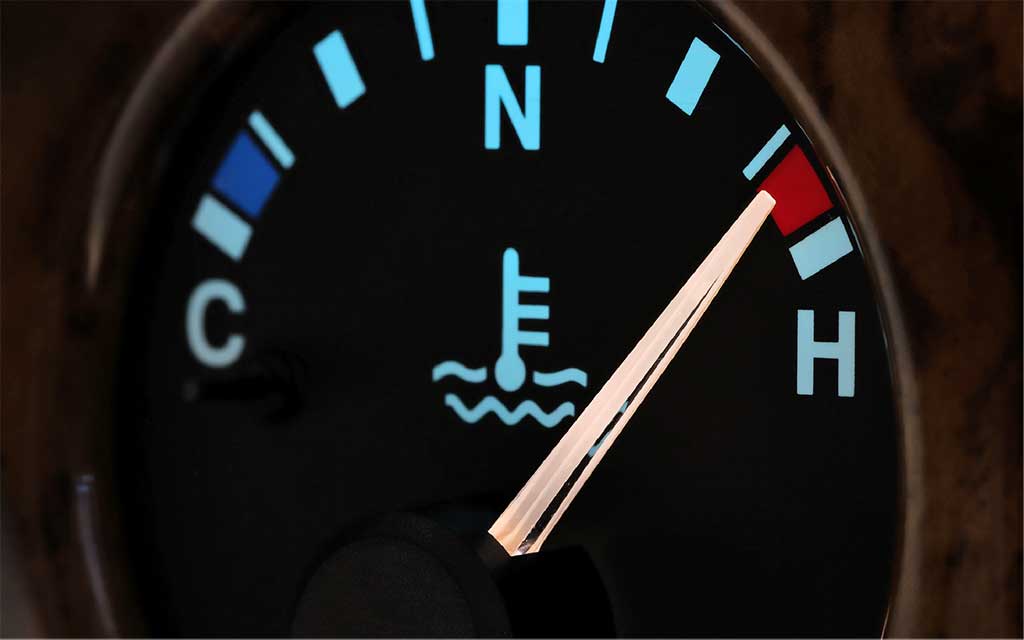
Don’t ignore the signs that your car is overheating.
Your car’s engine naturally generates a lot of heat while it runs, which is why it relies on a cooling system to keep temperatures under control. Most of the time this system works quietly in the background without you even needing to think about it.
However, on longer drives, during hot weather or in slow-moving traffic, you may notice your engine temperature starting to climb. If this happens, knowing how to respond can help you deal with the situation safely, and reduce the risk of potential damage.
With this guide you’ll learn how to recognise the signs of an overheating engine, what steps to take if it happens while you’re driving, and when it may be best to seek help.
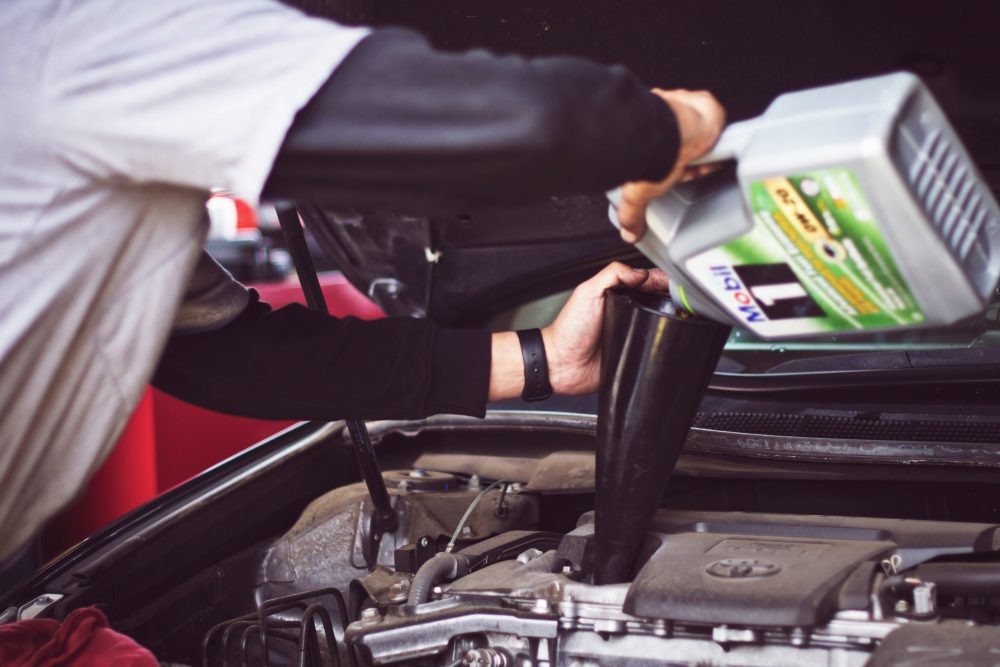
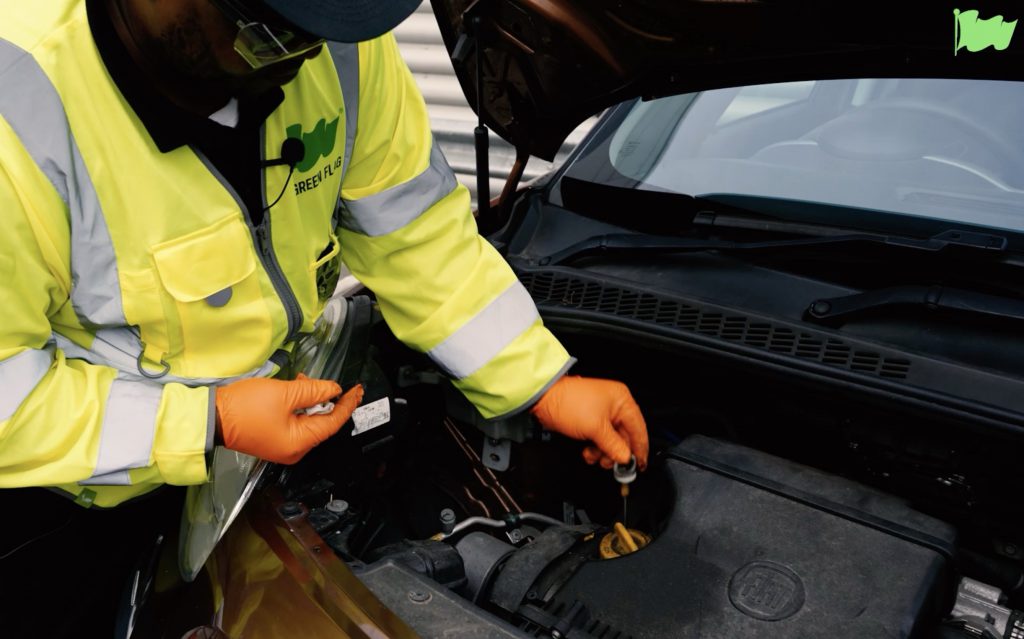
Checking your car’s oil is a simple task which helps maintain peak protection and performance of its engine.
Checking your car’s oil level is a simple yet key task which will help to keep your car running at its best. We’ve got you covered with everything you need to know about checking your car oil.
We explain what oil does, why it’s important, how to see if your car’s running low on it, how to top it up, and much more. All this, plus our step-by step guide and expert video. Very slick!
Why is an MOT so important? How do you book an MOT and what will be checked? Do you need a valid MOT to use your breakdown cover? We’re here to answer all these questions (and more).
Spring has sprung, the birds are singing, and the sun is finally putting in an appearance. But the chances are your car is still feeling (and showing) the effects of winter.
With warm weather (hopefully) just around the corner, now’s the time to give your car a good spring clean. There are plenty of good reasons to – here are seven of the best.
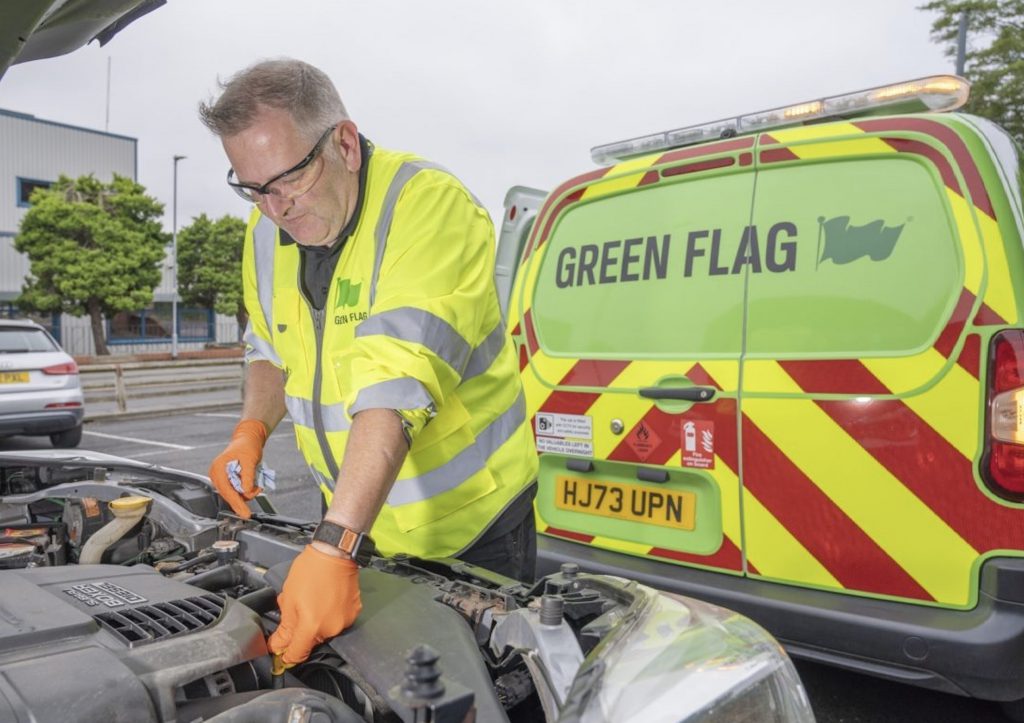
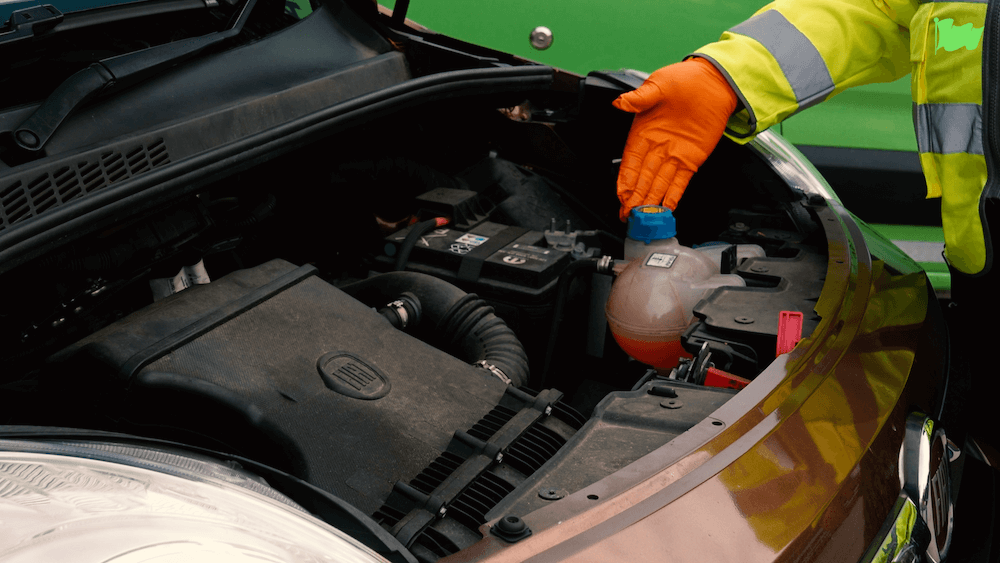
Car coolant is a mixture of antifreeze and water which helps to stop your car’s engine from overheating.
Checking your car’s coolant level is an important task to help keep your car healthy and on the road.
Our frequently asked questions, step-by step guide and expert video have everything you need to know about car coolant, how to check the level, and how to safely top it up.
The cold winter weather doesn’t play nicely with your car’s battery.
There’s nothing worse than heading out on a freezing winter morning, turning the key… and being met with silence.
A flat car battery is one of the most common causes of breakdowns during cold weather – and it can happen anytime, without much warning. Even if your battery seemed perfectly fine in recent months, winter conditions can quickly expose hidden weaknesses.
So, why do car batteries die in winter? And what can you do to prevent being stranded with a car that won’t start? Let’s look at why cold weather can prove so challenging.
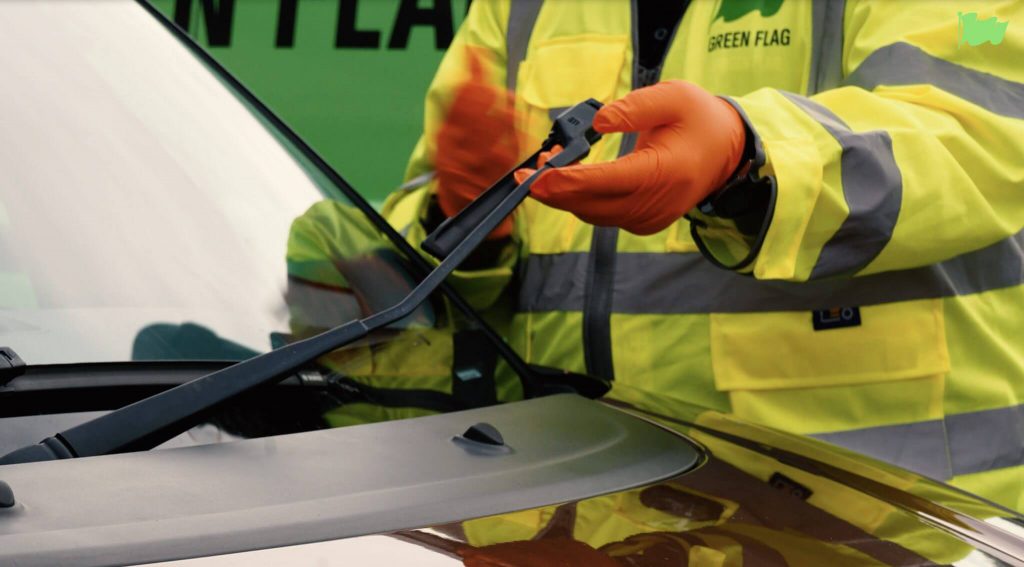
Windscreen wiper blades play a vital role in giving drivers a better, clearer view of the road.
Being able to change your car’s windscreen wiper blades is a vital car maintenance skill. The process varies from car to car but there are similarities between all of them which we’ve covered below with a step-by step guide and a handy video showing how our experts do it.
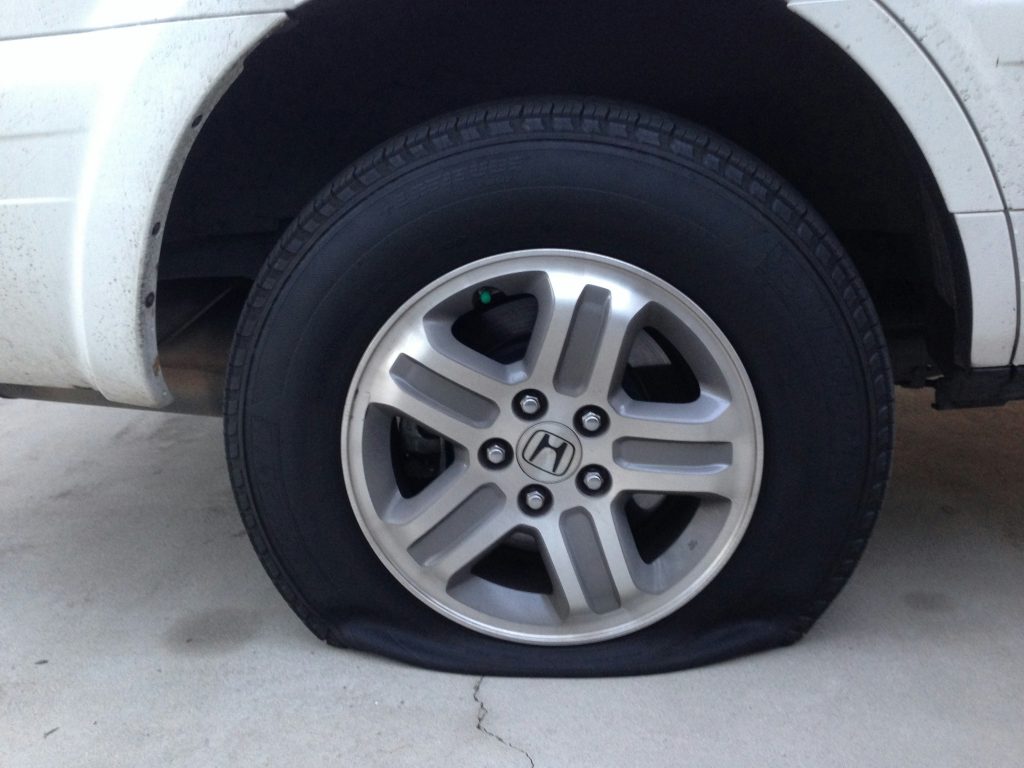
Drivers across the UK run into some kind of tyre trouble every 90 seconds – that’s around 40 flat tyres, blowouts, or punctures every hour.
Around 360,000 people were faced with a flat tyre last year, but do you know what to do if it happens to you? According to research by Green Flag, around 40% of drivers said they would have a go at fixing a flat tyre themselves.
If you’re someone who likes rolling their sleeves up but wouldn’t know where to start, we’re here with a guide on how to change a tyre.
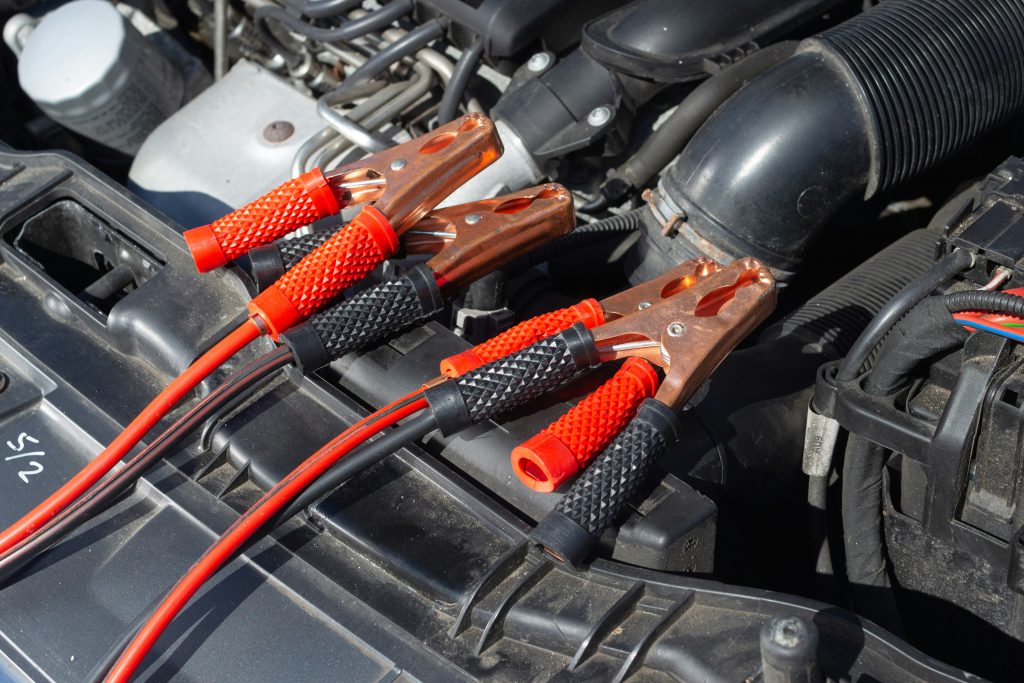
When winter hits, breakdowns get more frequent, and it pays to be prepared. Especially with your battery.
November to January is peak season for breakdowns, and batteries are one of the biggest culprits. Green Flag’s callouts for flat batteries increase 60% in the winter, especially on those dreaded Monday mornings (when cars that have been parked up over the weekend can’t face the commute either).
Getting off to a false start at the beginning of the week is no fun at all, but luckily, we’re here with some tips to keep your battery feeling positive.
Have you ever been happily driving along when you suddenly get that sinking feeling and realise your MOT has expired?
You won’t be the first person that’s ever happened to, and you certainly won’t be the last.
According to research by Green Flag, almost a quarter of MOTs were carried out late in 2023. That’s 7.6 million vehicle owners risking a fine by driving without a valid MOT.
As motorists across the country are packing their suitcases, we’re predicting a seven per cent increase in breakdowns during summer. That means around 150,000 callouts for our mechanics to provide support over the summer.
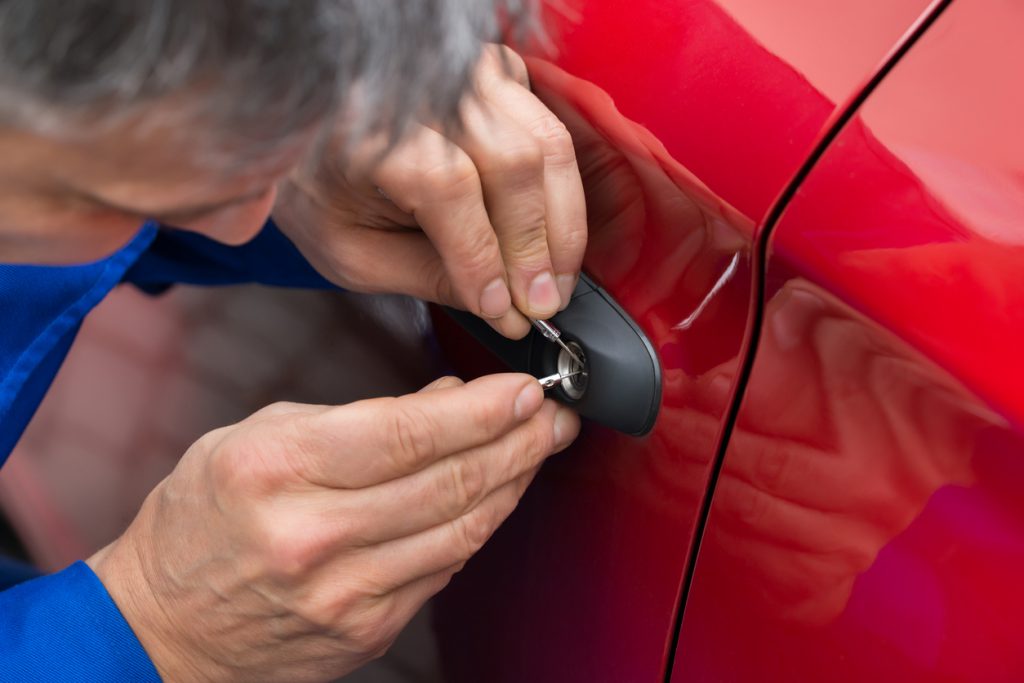
Taking better care of your car keys can save you time, money and stress.
Our research reveals that a car key-related callout took place every seven minutes in 2024. According to our data,two-thirds (62 per cent) of car key callouts were a result of drivers locking their keys in the car. A further fifth of callouts were for keys being jammed in the lock or ignition, whilst 12 per cent were a result of lost keys.
There can be significant dangers to safety posed by old tyres. Especially during the summer when warmer roads put more strain on them.
Because of this, the Government banned tyres older than 10 years from heavier vehicles in 2021. But what about ageing tyres on regular cars? Read on to find out.
We know it’s a British stereotype to chat about the weather, but come on. Summer 2023 is already a weird one. After one of the wettest winters on record, the UK is now seeing scorching temperatures, warm thunderstorms, and weather warnings.
When it’s 30 degrees one minute and thunder’s echoing around your house the next, vehicle care can get confusing. Here’s the latest on what to prepare for, and how to prepare.