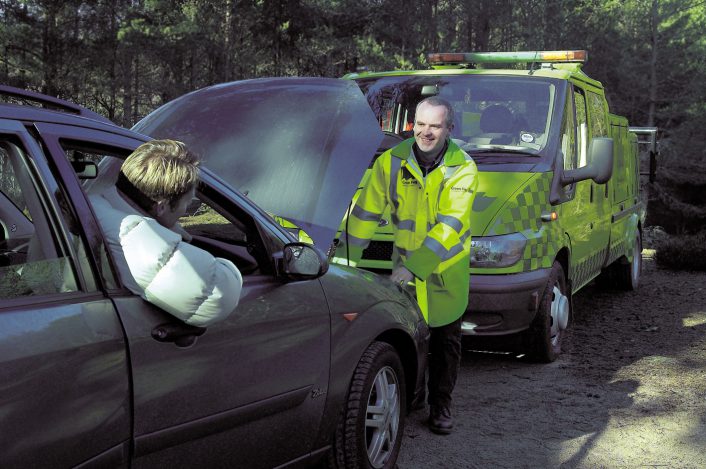
Choose the best company car for your needs and it could save you hundreds or even thousands of pounds over the time you run it. And that could make this perk – surely one of the best there is – even better. Continue reading
Buying and selling
Complete guide to buying your first van
Buying your first van is as big a milestone as getting a first client or signing off a company logo for many business owners. Along with sound management and manpower, a van can be one of the fundamentals of business, transporting personnel, products or tools. Continue reading
Experts’ car buying tips for getting the best deal

Picking when to go to the dealership and building relationships with sales staff will help you make the most of your visit(Picture © Mazda)
We asked for some experts’ car buying tips in an effort to make purchasing a new car a less stressful experience. For a start there is no training and no hard and fast rules about buying a car. And it’s difficult to know if you’ve been taken for a ride or nabbed the bargain of the decade. Then there are the sales staff who are highly trained and have all the facts and figures about how much profit they might make at their fingertips. To find out how customers can get the best out of the car buying process, we asked the experts: three people whose job is to train sales executives. Continue reading
Car buyers sold hire cars: crooks now selling rental cars to the unsuspecting
A new scam that sees unsuspecting private car buyers sold hire cars by crooks has been revealed. We’ve already warned of the danger of buying cars that are really owned by finance companies. Now car check experts are warning of unscrupulous crooks hiring cars for the day from rental firms and using them to fleece unsuspecting used car buyers. Continue reading
Car auctions: the insider’s guide

To novice buyers, auction halls can look intimidating. Our tips bust that idea
(Picture © Anglia Car Auctions)
Car auctions offer a guaranteed way of saving money on a second-hand car. However, there’s a catch; because it’s more involved than strolling in, nodding your head and driving out in a bargain, it can be daunting for private individuals, which is why only around one in 10 cars sold by British Car Auctions (BCA), one of the UK’s major auctioneers, go to buyers outside the car trade.
The advantage of successfully bidding at car auctions is that you’ll get a car at what’s known as trade price. On a three-year-old Ford Focus, used car valuation expert Glass’s Guide claims trade price to be £2350 (28 per cent) less than the £8230 the dealer would sell the car for. For a dealer, that’s not all profit as they have to account for the time and money it takes to prepare the car and display it in a showroom or forecourt, as well as market the car to potential buyers. But for non-trade buyers it can be a significant saving. We tracked down Mark Davis, a private buyer from Hampshire who’s bought around 10 cars from auction. Here are his tips. Continue reading
Owning some new cars cheaper than used
New cars cheaper than used? Surely it flies in the face of popular wisdom that suggests you’ll save money owning a used car compared to a new model. This is because from the moment you start owning a car its value starts tumbling. It’s called depreciation and it beats the cost of fuel, insurance and servicing to be the largest contributor towards the amount we pay to go motoring. Depreciation is at its steepest – and therefore costliest – in year one of the life of most new cars. That’s why it’s generally regarded as being cheaper to own a used car. Continue reading
How to choose between petrol and diesel cars
The modern motor buyer has a quandary: which will prove the most cost effective between petrol or diesel cars? The answer varies depending on who is asking the question. It used to be that diesel-powered cars were unquestionably the cheaper option to buy and run, as they were more economical and the fuel was cheaper. Now, however, diesel is more expensive and petrol engines are becoming more efficient which muddies what used to be a clear-cut decision. Continue reading
How fixed price servicing compares with pay-as-you-go
Keeping a modern motor maintained can be surprisingly expensive. Car valuation expert CAP Automotive says even a Volkswagen up!, the car it says has the cheapest running costs on Britain’s roads, will cost £848 over the first three years of its life. Fixed price servicing aims to ensure you know what you’re going to pay well in advance so you’re not hit with a huge garage bill out of the blue. But do such schemes make sense, or are they just another way of extracting more cash from drivers? Continue reading
Tips for taking the perfect test drive

Make sure the dealer will let you test the model with the trim level and engine size you’re interested in buying. (Picture © Suzuki)
Test driving a new car is the ideal opportunity for buyers to find out if a model suits all their needs. Whether it’s a family estate that’s going to be filled with child seats for the school run, or a sports car that will have the roof lowered on sunny Sunday mornings, it’s important that drivers use the car during the test drive as they intend to use it in day-to-day life.
I’ve been testing new cars for the last 20 years and these are my top 10 tips to help you get the most out of your test drive and choose the right car for your needs. Continue reading
Rejecting cars or motorbikes: all you need to know

Many drivers put up with faults simply because they don’t know what to do if they’re unsatisfied with their car or motorbike. If you’re at your wits’ end with a problem on a recently bought vehicle that seems beyond repair, you may want to consider rejecting your vehicle. Continue reading
Consumer rights when buying a car or motorbike

You still have rights, even when you buy an old nail like Del Boy’s Reliant Regal. (Picture © Beaulieu)
Consumers complain about cars more than any other item, according to Citizens Advice. Typically, the consumer body receives over 45,000 grumbles a year, with just over two thirds relating to used cars.
However, few of us know the law or what it entitles us to if we’re not entirely satisfied. Read on to find out what you can and can’t ask for if things go wrong. Continue reading
What is Autonomous Emergency Braking and how does it work?
From 2015 new cars must have Autonomous Emergency Braking (AEB) if they’re to get a maximum five-star rating from Euro NCAP, the independent crash-safety organisation. The aim is to encourage car makers to fit as standard the system that slows or stops a car automatically if it detects danger.
Read on to find all you need to know about an exciting new technology that could slash the number of accidents on British roads. Continue reading
How to tell if your car has been recalled
Cars are by far the most complicated mechanical good consumers can buy, each consisting of around 12,000 components. Sometimes one or more of those parts goes wrong, either because they’ve been designed incorrectly or the materials used in them aren’t up to the job. Often this will result in the car being recalled for corrective work by the manufacturer; there were 480 notices served in 2013 on all vehicles from motorbikes to lorries. Here’s what you need to know. Continue reading
How young drivers can cut motoring costs

Not every young driver can afford a new car… But whatever they choose, the smaller and safer the better (Picture © Peugeot)
Being a young driver is a tricky business. Not only do they have the astronomical cost of fuel to contend with but they also get stung on the price of car insurance. And then of course there’s the purchase price of the car to consider as well. But there are some steps youngsters can take to cut the cost of driving.
How to check your car’s safety
When the worst happens, how much protection will the car you’re in give you and your family? It’s a question every parent will have asked at one time or another and you don’t have to take the car makers’ word on how safe their cars are. Continue reading
Used car essential checks: eight to do when buying a motor

(Picture © PistonHeads)
Buying a used car involves a degree of luck. But to adapt a quote from famous film producer Samuel Goldwyn: “The harder you work, the luckier you’ll get.” The mantra is one which used car buyers should follow, as the more background checks and research that are carried out, the less chance there is of buying a dodgy motor or being the victim of fraud. These eight checks will help steer drivers towards the used cars that are least likely to let them down. Continue reading
How to write a car advert to sell a used motor
Drivers who want to sell their car privately and successfully need to know how to write a clear and concise advert for potential buyers. The wording of a classified advert is likely to dictate how successful they are at attracting people’s attention. Prospective car buyers don’t want to read a literary masterpiece: they’re looking for something that describes a car to suit their requirements. The more relevant an ad is – to both the type of car and typical owner – the more likely it is that someone will take an interest and enquire.
As well as showing off the car you’re selling, you’re also showing off yourself as a responsible owner who’s (hopefully) cared for that car. The more honest and straightforward you can be, the more likely people will consider what you’re offering to be a good buy. And the more potential buyers you have, the more likely you are to sell the car and maximise its value.
Honesty is the best policy
How to sell cars for the best possible return
There are approximately two million new car and seven million used car sales every year in the UK. For most of those drivers, the greatest dilemma is how to is sell their old car to help fund buying the new model.
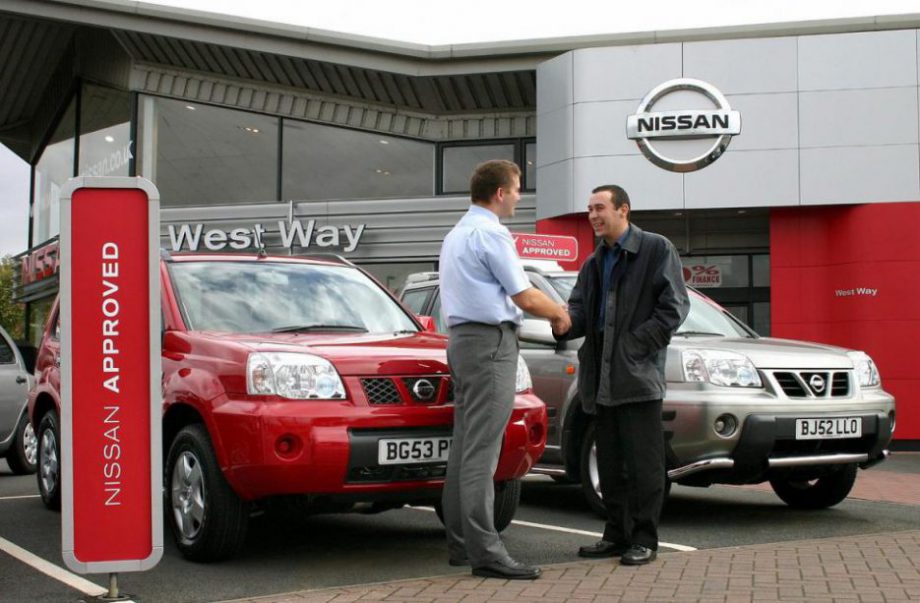
Our guide to selling a car examines the best options for shifting your current car so you can replace it with something newer and shinier.
Car buying websites
A complete guide to car finance jargon
Owning a new or used car is more attainable than ever thanks to the increasing acceptance of finance agreements. However, using credit to buy or own a car means consumers are exposed to a world of jargon and acronyms, which can be daunting at best and confusing and misleading at worst. We’ve already outlined the most common ways of using finance to pay for a car. This guide explains the most common terms and abbreviations so that car buyers can easily figure out the difference between their GAP and GMFV along with other common finance jargon. Continue reading
How to tell if you’re looking at a flood damaged car

A car doesn’t have to have been completely submerged or washed away by a river to be so seriously damaged it’s beyond repair. Fortunately there are ways to tell whether a car has been damaged by flood water. And with flooding frequently affecting many parts of the country, hundreds of cars can suffer water logging.
As many as 70 per cent of flooded cars are written off by insurers. Rather than being left out of pocket (as the pay-out is typically less than a like-for-like replacement would cost), car industry experts believe many owners will try to shift their cars onto unsuspecting buyers.
Alan Cureton, Manheim auctions’ dealer sales director said: “We already know that some less-damaged vehicles are being offered for sale. Car buyers should be extra cautious about water damage over the coming months.”
To the unwary, it’s relatively easy to buy a car that’s been flooded and be none the wiser until things start to go wrong. If water gets into an engine it can result in catastrophic failure later in the car’s life, while electrical systems can take time to play up before failing completely. Follow our pointers on how not to make the mistake of buying a flood-damaged car.


©
©