If your car breaks down unexpectedly, the support you receive will usually fall into one of two categories: roadside repair or recovery.
In many cases, a breakdown technician can get you moving again without the need to tow your car. Sometimes, though, a fault needs specialist equipment or repairs that can only be carried out at a garage, meaning your car will need to be relocated.
In this guide, we explain when a problem can likely be fixed at the roadside, when recovery may be needed, and how the decision is made.
What is an on-the-spot repair?
On-the-spot repair (also known as roadside assistance) is when a breakdown technician is able to identify the problem with your car and carry out a repair at the roadside, allowing you to continue your journey.
Roadside repairs are usually possible when the fault is relatively straightforward and doesn’t require specialist workshop equipment or extensive replacement parts.
Examples include:
- A flat battery that can be jump-started
- A loose battery connection
- Minor electrical issues that can be safely resolved
- Problems caused by running out of fuel
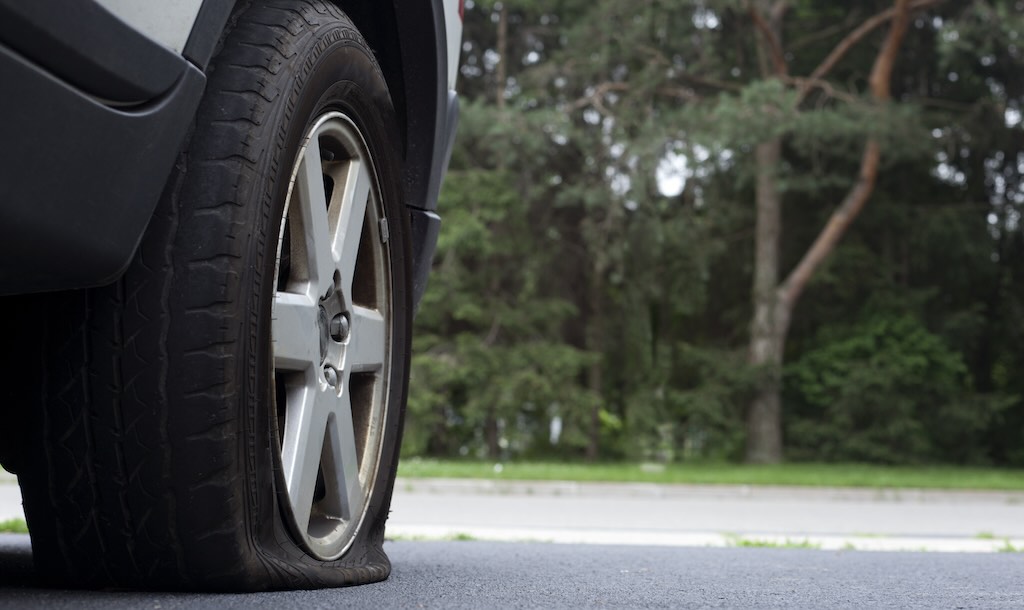
- Changing a flat tyre when a roadworthy spare is available
Whether a repair can be completed there and then will depend on the nature of the fault, the tools required, and whether it is safe to carry out the work at the roadside.
The aim is to get you moving again, reducing disruption and helping you continue your journey.
When does a vehicle need towing?
If your car can’t be safely or practically repaired where it has broken down, then a recovery vehicle will need to tow it.
This may involve taking the vehicle to a nearby garage, your chosen destination, or another agreed location, depending on the circumstances and the level of cover you have.
A vehicle may need towing if:
- The engine has suffered a significant mechanical failure
- The clutch, gearbox, or transmission has failed
- A warning light indicates a fault that makes continued driving unsafe
- The vehicle has been involved in a collision and cannot be driven safely
- There’s serious damage to a wheel, tyre, or suspension component
In these situations, recovery allows the vehicle to be moved to a place where a full inspection and repair can take place.
Can a breakdown technician tell if towing is needed straight away?
No, it’s not always possible for roadside assistance teams to tell straight away whether your car will need towing. Sure, some faults are obvious from the outset, but others will likely need investigation before the best course of action becomes clear.
Technicians will need to carry out initial checks to understand the cause of the problem and assess whether a safe roadside repair is possible.
During this stage, it’s not uncommon for a fault that first appears minor to actually require workshop attention on closer inspection. Equally, in the best-case scenario, a problem that seems serious may have a straightforward solution. That’s why it’s always a good idea (not to mention safer) to get the experts to take a look under the bonnet rather than doing it yourself at the roadside.
What is the rule for towing?
While there isn’t one simple towing rule that applies to every breakdown, a towing service is necessary whenever a vehicle can’t be driven safely or needs more involved repairs.
In that respect, the “towing rule” is decided on a case-by-case basis, taking into account the following:
- The type of fault
- Whether specialist equipment is needed
- The availability of replacement parts
- How safe it is to carry out repairs where the vehicle has stopped
- The overall condition of the vehicle
A trained recovery professional will assess the situation and recommend the most suitable option.
How do towing options compare?
If a vehicle can’t be repaired at the roadside, the distance it can be recovered may depend on your breakdown provider and level of cover. Similarly, the time taken for a roadside recovery vehicle to arrive will differ based on your breakdown provider, too.
It’s worth checking the details before you travel, as towing options can vary between policies.
Preparing for the unexpected
Ideally, you’ll never need to rely on roadside repairs or recovery to get your car back on the road again. But it’s always helpful to know what to expect should you break down, as this can make the situation easier to manage.
Alongside securing breakdown cover that works for you, it’s worth checking your vehicle is roadworthy before setting off on longer or more important journeys. For more expert motoring advice and breakdown guidance, keep up to date with the Green Flag blog.