Keeping your car running well doesn’t take much. A few regular checks and a basic understanding of how things work under the bonnet go a long way.
One of the most common issues drivers encounter, particularly in warmer months, is the engine running hotter than it should.
The good news is that overheating is almost always preventable, and the causes are usually easy to understand and remedy.
How your car’s cooling system works
Your engine generates a lot of heat while it runs, so it relies on a cooling system to keep temperatures in check.
A mixture of water and antifreeze circulates through the engine, absorbs heat, passes through the radiator to cool, and then the cycle repeats.
Most of the time, this system works quietly in the background, and given typical UK weather, overheating might seem unlikely. However, by knowing how your vehicle stays cool, you’ll be better equipped to recognise cooling issues when they need your attention.
Signs your car may be overheating
Your car will usually let you know when temperature regulation is getting difficult. These are the signs to watch out for:
- The temperature gauge is sitting higher than usual, beyond the midpoint.
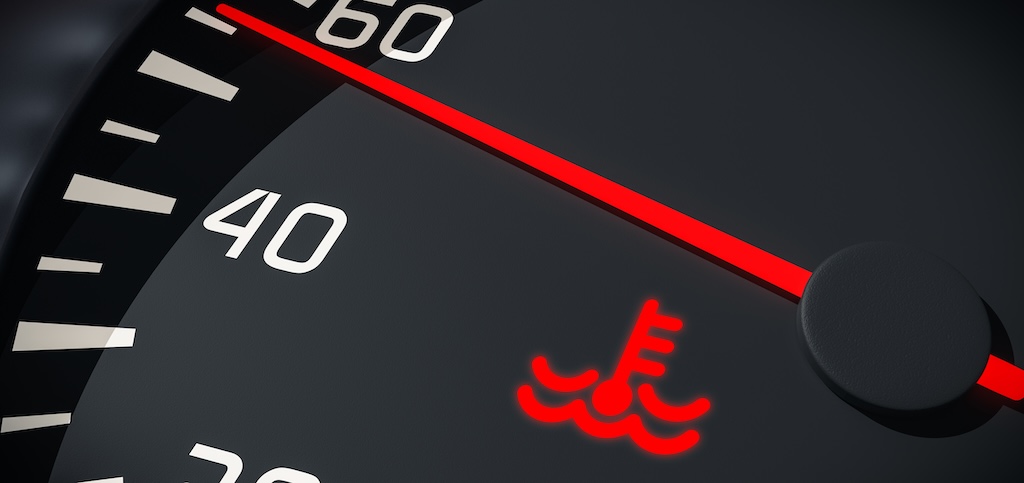
- A temperature warning light appears on your dashboard. This is usually a thermometer and two wavy lines, and it may turn red when a cooling issue is detected.
- Steam or vapour is emerging from under your car’s bonnet.
- You notice an unusual smell, including the smell of burning.
- Your car feels less responsive, sluggish, or the engine isn’t performing well.
- You hear strange noises, such as hissing or clicking.
What to do if your car starts overheating
If you notice any of these symptoms, pull over and make sure you and any passengers are safely away from the road and any hazards.
Giving the engine time to cool down may be enough to reduce temperatures and allow you to continue your journey safely, provided the underlying cause is minor, and coolant levels are adequate.
You can also check the coolant levels and top up if needed, but be careful as your car’s bonnet and internal components will probably be extremely hot. If your car’s overheating problem doesn’t resolve, consider calling for breakdown assistance.
Why is my car overheating?
Empty, low, or leaking coolant
One of the most common causes of a car overheating is low coolant levels.
When there isn’t enough coolant in the system, it becomes less effective at carrying heat away from the engine. Coolant doesn’t evaporate under normal conditions, so if you find yourself topping up regularly, there may be a leak that needs to be checked by a qualified mechanic.
Faulty cooling fans
If a cooling fan is faulty, it won’t draw enough air into your car’s cooling system, which may cause overheating. This may be due to age, damage, or debris.
A blocked or damaged radiator
Over time, a car radiator’s fins can also degrade or become blocked, reducing airflow and making it less efficient.
A faulty thermostat
A thermostat controls when coolant flows from the engine into the radiator to keep your car’s temperature in check. If a thermostat can’t open or close properly, it affects how and when coolant can circulate.
A water pump failure
Your car’s water pump keeps coolant circulating through the vehicle’s cooling system — if it fails, your car will rapidly overheat. This problem needs to be addressed urgently at a garage to prevent engine damage.
How to maintain your car’s cooling system
A few routine checks will keep your car running smoothly, and you don’t need extensive knowledge or expertise to run them.
- Check your car’s coolant levels monthly. You can see how much coolant is in your car by looking for the reservoir, which is usually a translucent plastic tank with “min” and “max” markings.
- Have a look at the coolant hoses for any visible cracks or damage.
- Top up coolant with the right type for your car. The details should be in your vehicle’s manual.
- Check under your car on occasion for any signs of fluid or leaks on the ground.
If you need roadside assistance
Regular maintenance helps keep overheating at bay, but sometimes it may still happen, especially in hot weather. When it does, breakdown cover can help.
If your car overheats and it isn’t safe to continue driving, roadside assistance can help arrange support, whether that’s a repair at the roadside or transport to a garage.
For more motoring guidance, keep up with the Green Flag blog.