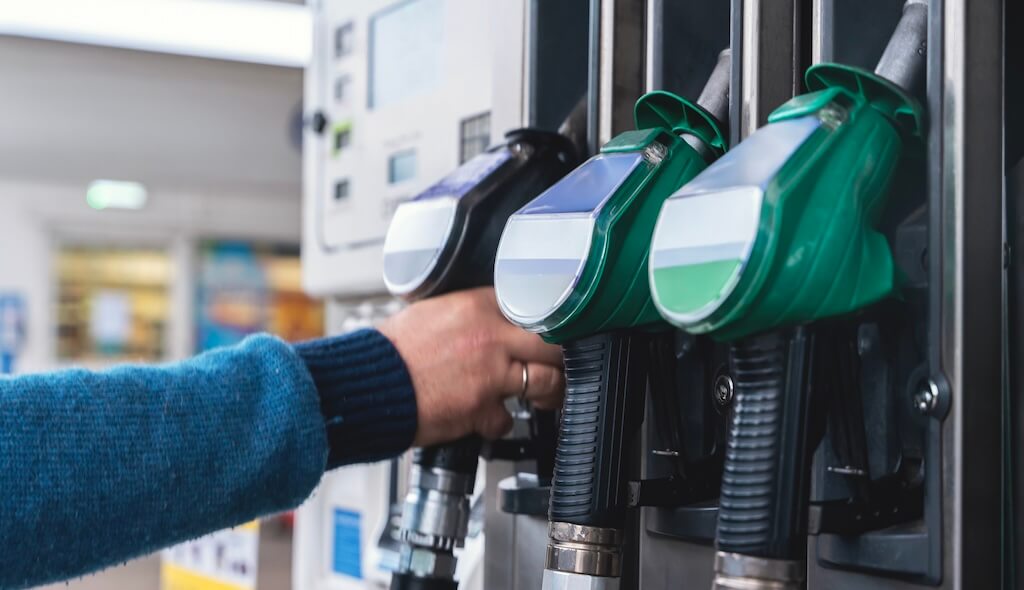
Misfuelling your car is an easy mistake to make. All it takes is a distraction at the pump, or you’re driving an unfamiliar rental car or a work vehicle, and the damage can be done before you know it.
What might seem like a relatively small mistake can lead to stalling, engine damage and even complete engine failure. While these are serious issues, there are some immediate steps you can take if you misfuel.
Putting petrol in a diesel car
Diesel cars use the fuel as lubrication for the fuel system components, making sure there’s minimal friction between parts and reducing wear and tear.
When petrol is added to a diesel tank, it strips away that lubrication and increases friction between components, leading to engine damage.
When petrol moves through a diesel engine, it won’t combust properly and leads to damage of the cylinders and piston rings. You’ll notice this as your car stalling.
If you’ve added petrol into a diesel engine, you need to act quickly. Get assistance from your breakdown provider to flush out the incorrect fuel and avoid engine damage.
Putting diesel in a petrol car
This is less common as diesel nozzles are normally larger than the petrol filler necks, which makes it easier to notice.
If you’ve added diesel to a petrol car, don’t start it as this will make things worse. Diesel can’t be ignited by a petrol engine’s spark plugs, leading to misfire, stalling and potentially permanent damage to parts of the engine.
If you find yourself in this situation, you should get help as quickly as possible. Contact your breakdown provider so a professional technician can fully drain the tank and clean the system before you can safely use the vehicle again.
What to do if you’ve misfuelled
The most important advice is simple: do not start the car.
Starting the car means the contaminated fuel will move through the engine. This can cause significant internal damage, which is far more complex and expensive to fix than draining the tank.
If you’re still at the petrol station:
- Inform the staff so they can help move the vehicle to a safe spot.
- Contact your breakdown provider to arrange for a professional fuel flush.
If you’ve already begun driving when you notice a problem:
- Pull over to a safe place as soon as possible and switch the engine off.
- Make sure your vehicle is in a safe area, away from traffic, and contact your breakdown provider to arrange for a professional fuel flush.
- If you’re on a motorway, safely get your vehicle onto the hard shoulder or into an emergency area first. Get behind the barrier, if there is one, and call for help as above. Wait outside the vehicle.
The warning signs
There are a few telltale signs that your vehicle is struggling with the wrong fuel. You must pull over safely if any of these happen when you’re driving.
- Sudden loss of power: Your car may feel sluggish or fail to accelerate as it normally would.
- Heavy smoke from the exhaust: This is more common if diesel has been put into a petrol engine, as the diesel can’t ignite properly.
- Loud knocking or grinding noises: More common when petrol is added to a diesel engine, as a lack of lubrication can cause internal components to clash.
- Engine misfires or stalling: The vehicle may judder or even cut out entirely while you’re idling or in motion.
- Warning lights on the dashboard: Most modern cars can now detect a fuel system error and will trigger the engine management light.
If you notice any or a combination of these signs, it’s vital you do not attempt to keep going and drive through the problem to reach a garage. Stopping the car immediately will help prevent any long-term damage.
How to avoid fuel-related breakdowns
There are two simple ways to prevent a fuel-related breakdown:
- Double-check the pump: Before you trigger the flow, make sure you’re using the correct nozzle (Green for petrol, Black for diesel). This is especially important if you’re tired or in a hurry.
- Check the vehicle: If you’re driving an unfamiliar vehicle (e.g. a rental, a new or borrowed car), check the vehicle handbook or see if there’s a sticker inside the fuel cap.
Navigating the road ahead with confidence
Mistakes at the petrol pump are inconvenient, but they don’t have to be a disaster.
By recognising you’ve made a mistake and having the knowledge not to start the engine, you can prevent major damage from happening. A breakdown provider can offer the specific technical support to resolve these situations safely:
- Specialist fuel drainage and system flushing
- Experienced recovery operators who understand different engine types
- Nationwide coverage to reach you wherever the error occurred
- Clear communication to keep you informed while help is on the way
If you’re ever in doubt, it’s always better to get help and avoid causing further damage to your vehicle. Find more advice on the Green Flag blog.
Forget different size nozzles – why not differently shaped nozzles and tank fillers? Say triangular and square? Years ago I put diesel into my petrol Ford Escort. It took many miles to use the diesel/petrol mixture (my first journey after the misfuelling was about 80 miles on the M4), and the exhaust was quite smokey. Yet there were no obvious ill-effects to the engine.
Such a helpful post. Thank you! 🙂
I will be very careful in future.thanks.
It would seem that perhaps this is maybe dependant on the level of adulteration. Some years ago, I topped up a just over ¾ full BMW 320Dse with petrol. I was advised by the garage mechanics that in view of amounts in question that I should be OK to continue and so it proved. Many trouble-free miles ensued but I would not advocate this course of action and a repeat in a more convenient location would definitely lead me to take alternative action.
I have to say that this is wrong! If you put derv in petrol it screws up the cars fuel injection and creates a thick crap that as in my brothers case, blows the engine. ( Suzuki swift) but a small amount in a derv engine actually cleans it. But only a small amount, like pulling the pump trigger and then noticing it’s wrong, don’t panic the small amount won’t hurt, fill the tank with derv. Don’t always believe these so called experts!
It cost me £1000
Thanks for the advice and quick response. So far so good.
Old cars might be ok to just top up with correct fuel..but modern cars with fuel injectors is a “drain the system” situation as will mess up the engine a few months down the line..new injectors etc at £400 each..just done it again myself..luckily I hadn’t turned the engine..still cost me £288 to drain though.