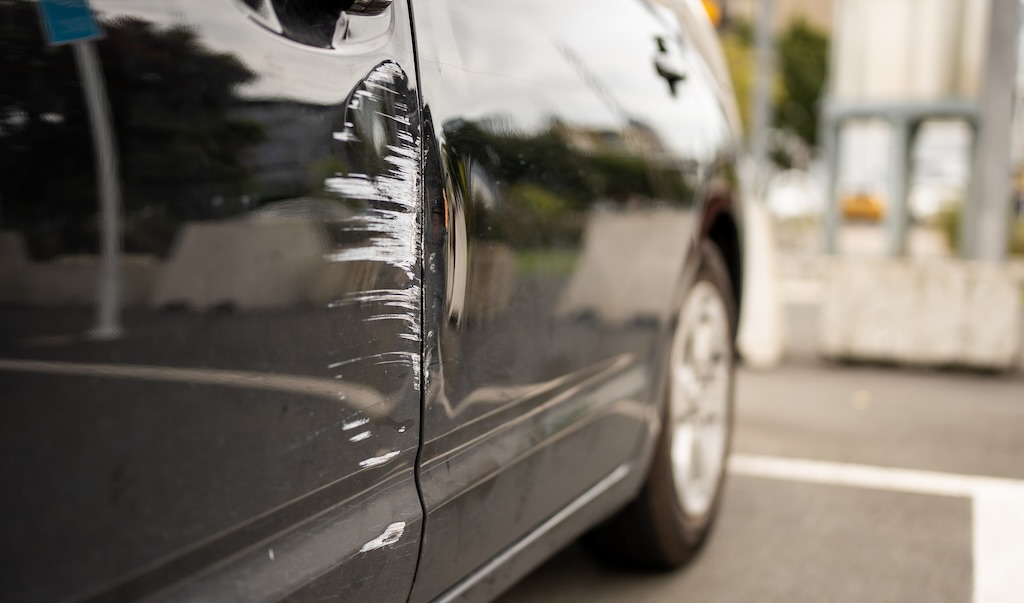
After a breakdown, you may find you need to make an insurance claim. This could be because your breakdown led to damage, you need to recover certain costs, or there’s been an accident or incident connected to the breakdown.
So, once the car and everyone in it is safe, here’s a few simple steps to making an insurance claim.
Call your breakdown provider
If you have breakdown cover, get in touch with your provider as soon as you can. They’ll talk you through what to do and arrange help, whether that’s roadside repair, recovery, or onward travel support, depending on your policy.
Keep a note of the time you called, who you spoke to, and any reference number you’re given. It might not feel important in the moment, but those details can be useful if you need to make an insurance claim later.
Check if you need to make an insurance claim
Not every breakdown leads to an insurance claim – sometimes the problem’s fixed at the roadside, and that’s the end of it.
But you may need to contact your insurer if:
- your vehicle has been damaged
- the breakdown was caused by an accident
- you’ve hit something or someone
- another vehicle was involved
- personal belongings were damaged or stolen
- you need to claim for costs covered by your policy
Your breakdown cover and car insurance are usually separate products – even if they happen to have been bundled into the same insurance policy payment. Your breakdown provider helps with the breakdown itself, while your insurer usually deals with claims involving damage, accidents, theft, or liability.
Gather the details while they’re fresh
When something goes wrong, small details can blur quickly. So, as soon as it’s safe, make a note of what happened.
Write down where and when the breakdown happened, what you noticed before the vehicle stopped, and what happened afterwards. Did a warning light come on? Was there a strange noise? Did you hit debris in the road? Did smoke appear?
If it’s safe, take photos of your vehicle, any damage, warning lights, the road, and the surrounding area. If another vehicle was involved, exchange names, contact details, registration numbers, and insurance information. It’s also worth collecting witness details, if there are any.
The clearer your information is, the easier it’ll be to explain what happened.
Read your policy documents
Your policy documents are there to help you understand what you’re covered for.
Check your car insurance policy for information on breakdown-related damage, accidents, repairs, recovery costs, courtesy cars, personal belongings, excesses, and claims procedures. Look out for any time limits too, as insurers may ask you to report incidents as soon as possible.
It’s also worth checking your breakdown cover. Depending on your level of cover, you may have help with vehicle recovery, alternative transport, overnight accommodation, or getting your car back home.
Contact your insurer
Once you know you need to make a claim, contact your insurer directly. Many insurers let you start a claim online, over the phone, or through an app.
You’ll usually be asked for your policy number, vehicle registration, contact details, the date, time, and location of the breakdown or incident, a description of what happened, and any evidence you have.
Be honest, clear, and factual. You don’t need to know everything, and it’s fine to say if you’re unsure. If your car has been recovered to a garage, tell your insurer where it is. They may have approved repairers, or they may want to assess the vehicle before work begins.
Keep receipts and records
If you’ve had to pay for anything because of the breakdown, keep the receipts. This might include recovery costs, emergency repairs, taxis, train tickets, accommodation, or replacement travel.
Not everything will automatically be covered, as it depends on your policy, but keeping proof gives you the best chance of recovering eligible costs. It’s also helpful to save claim numbers, emails, garage reports, repair estimates, and messages from your breakdown provider or insurer.
Don’t rush major repairs
If your vehicle does need repairs, check with your insurer before agreeing to major work, especially if you want to claim the cost back. Some insurers may need to inspect the vehicle, approve the garage, or review an estimate first. Many will also prefer repairs be carried out at one of their own approved garages.
It’s tempting to get everything sorted as quickly as possible, but one quick call could prevent problems with your claim later.
Getting back on the road
Making a claim doesn’t have to be complicated. Focus on safety first, contact the right people, gather your details, check your cover, and keep records of everything.
Taking things step by step can help make the process more manageable and get you moving again sooner. For more motoring tips, keep up to date with the Green Flag blog.