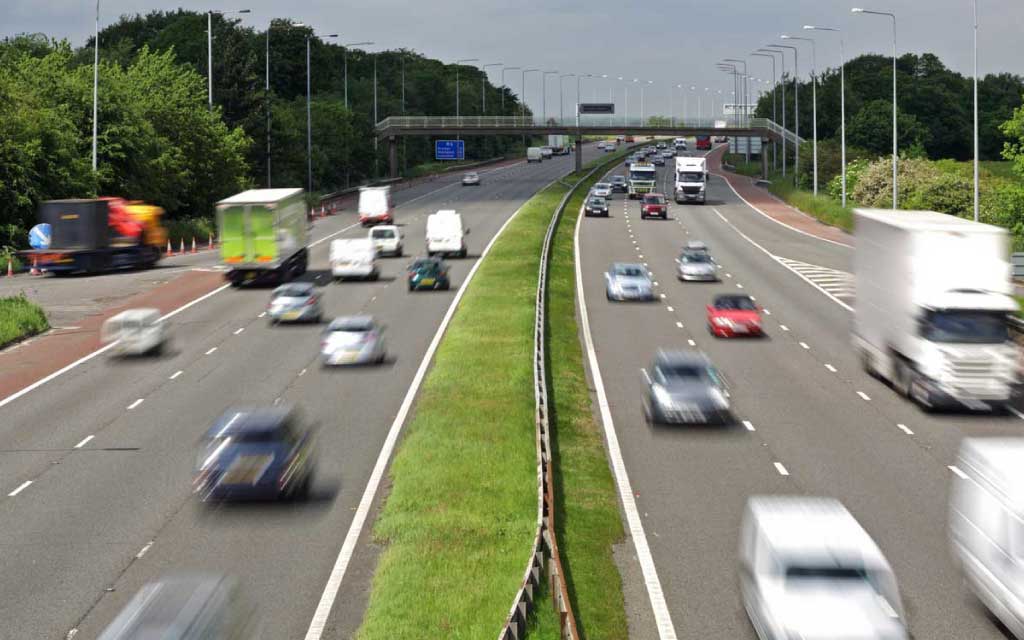
In 2024, the average commuting time in Great Britain was around 28 minutes. While that may not sound long, it adds up to several hours on the road each week.
For many people, their daily commute is the journey their car makes most often. Having breakdown cover in place for regular journeys could help minimise disruption and get you back on the road as soon as possible.
Does car insurance cover commuting?
Car insurance policies usually include a category called ‘commuting’ or Social, Domestic and Pleasure including Commuting (SDP+C). This typically means driving between home and a regular place of work.
It can also include journeys from home to a train station or park-and-ride location, before continuing a trip to work.
Driving between multiple workplaces during the day is often treated differently and may require business cover instead. Checking how commuting is defined in a policy can help make sure your cover reflects how your car is used.
Choosing the right category for car insurance
When arranging car insurance, you’ll usually be asked how you use your vehicle. This typically involves choosing between leisure uses, like shopping or seeing friends, commuting, or a combination of both. If you ever use your car to travel between your home and a regular workplace, select commuting.
Why do commuting journeys need different breakdown support?
A breakdown on a quick trip to the shops is frustrating. But if it happens during your commute, it can disrupt your entire working day and leave you stranded far from home or work.
Commuting journeys often take place at the same time each day, sometimes on busy roads during rush hour or over longer distances. In some parts of the country, alternative transport may also be limited at certain times of day. For example, if you work night shifts, there might not be buses running to get you to work on time.
Because of this, some drivers may look for breakdown cover that offers more than roadside assistance alone. Support that helps drivers continue their journey or return home can be particularly useful for regular commuting.
Breakdown cover options that support a daily commute
Different types of breakdown cover offer different levels of support. For people who rely on their car to get to work, some options can make it easier to deal with an unexpected problem on the way. Having the right support in place can help you manage the situation calmly and decide what to do next.
1. Help at home before your commute begins
Not every breakdown happens miles from home. In fact, problems can occur before the journey even begins. If this is the case, having breakdown cover that can help you on your way as soon as possible is handy.
If a battery problem prevents your car from starting on a cold morning, ‘At Home’ breakdown cover can help. This cover will send help straight to your door (well, driveway) if your car won’t start.
For commuters, support at home takes the pressure off when an unexpected problem crops up before leaving. They can simply call their breakdown provider, head back inside, pop the kettle on, and let work know they’ll be a little late that morning.
2. Roadside assistance during your commute
Roadside assistance is often the starting point for breakdown cover. If your vehicle develops a fault during your journey to or from work, help can be arranged at the side of the road.
If the problem with your car can be repaired there and then, you’ll be able to continue your onward journey safely. You could even make it to that morning meeting on time after all. However, if more complex repairs are needed, your car might need to be taken to a nearby garage for further inspection and fixes.
3. National vehicle recovery for longer commutes
If it takes you much longer than the British average of 28 minutes for your commute, a breakdown could happen miles from home and making arrangements to get you and your car back on home turf can be tricky.
With national vehicle recovery, you, your car, and any passengers on your commute will be taken to a chosen destination if your car can’t be repaired locally.
That destination might be home, work, a preferred garage, or another location that makes the situation easier to manage. For longer commuting journeys, this option offers greater flexibility.
4. Onward travel if your car needs more time in the garage
Sometimes a car needs more work than a roadside repair can handle and needs to go to a garage. You, on the other hand, have places to be and people to see.
Onward travel support can help you continue your journey to that all-important presentation at the office (or back home) if your car can’t be repaired the same day. For commuters, this is helpful for minimising disruption to work if the car itself needs work.
Does commuting affect the cost of car insurance?
Adding commuting to a car insurance policy can sometimes affect the price.
Insurers consider how often a car is driven and the type of journeys involved. Regular travel during busy periods (such as rush hour on the way home from work) may be assessed differently from occasional personal trips.
The overall cost will depend on several factors, including the distance travelled, local traffic conditions, and the driver’s insurance history.
Choosing breakdown cover for a regular commute
Whether you’ve got an important meeting, a presentation, or just a long shift ahead, a safe, easy commute each day sets you up for success.
And, while breakdown cover can’t prevent a vehicle problem from occurring, it can help minimise disruption to your day and get you back on the road again as swiftly as possible.
From home start support to roadside assistance and onward travel, if you commute to work regularly, make sure your breakdown cover works for you.
You can find more breakdown advice on the Green Flag blog.